Dina Kawar, Jordan ambassador to the United States, spoke Friday at an event hosted by the Center for Politics about her experience as a woman in diplomacy, ongoing issues throughout the Middle East and the future of Jordan’s foreign relationships. Bilal Humeidan, associate professor in the Department of Middle Eastern and South Asian Languages and Cultures, guided the discussion and asked questions throughout the event, and the event ended with a Q&A session for audience members.
The Ambassador Series event was hosted by the Center’s Global Perspectives on Democracy program in partnership with U.Va. Global. According to Daman Irby, director of global initiatives for the Center for Politics, Kawar is the 46th ambassador hosted by the Center.
Kawar became Jordan’s permanent representative to the United Nations in New York in 2014, and in 2015, she became the first Arab woman to preside over the United Nations Security Council. In June 2016, Kawar was appointed ambassador of Jordan to the U.S.
Kawar began the event with a discussion of her experience as a woman in diplomacy and the changing landscape of the field. She recalled how Jordanian women appointed to foreign missions were rare, and according to Kawar, the King of Jordan desired greater female representation in Jordan’s foreign affairs.
“When you’re one of the first to have a responsibility that is beyond just being an ambassador, you feel that every success you [have] is helping others come to the post as well,” Kawar said.
Having previously served as the Jordan ambassador to France from 2001-13, Kawar said diplomacy has evolved greatly over the past two decades. When Kawar began working in the field, she said she felt like she had to “overperform” and “overwork” for others to see her capabilities, though she said many more women now work in the field.
Kawar also spoke on Jordan’s position within the ongoing Israeli-Palestinian conflict and Jordan’s support of the two-state solution, which entails a separate Palestinian and Israeli state. Kawar said she believes the two-state solution would benefit both Palestine and Israel, but current right-wing movements are “blinding Israel to their future.”
“Right now, there’s about 7.5 million Arabs [in occupied Palestine, the West Bank and the Gaza Strip], [which is] the same number … [or] a bit less … Jewish people,” Kawar said. “If there is no two-state solution which we advocate for, we are talking about a one state of Israel with … 50 percent, if not more, of Palestinians.”
Kawar raised concerns about the equality of rights between Israelis and Palestinians if an Israeli one-state solution is followed, as the proposed state would still be about half Palestinian. Kawar also said that many people in Jordan accept the two-state solution for the security it provides in the region.
The 25-minute discussion between Humeidan and Kawar ended with a Q&A with the audience of University community members.
First-year College student Sana Sayah asked Kawar about Jordan’s support of a greater Arab nation despite being “great allies” with the U.S. Kawar said that Jordan works with Middle Eastern countries to resolve issues, and she referenced the complex dynamics of the Middle East.
“The [Arab] countries [Sayah] mentioned … work a lot together,” Kawar said. “For example, the United Arab Emirates has entered the normalization process with Israel, so [the UAE] help us in making sure that the West Bank issue is maintained and that Israelis understand the importance of a Palestinian state.”
The UAE and Israel normalization agreement was signed in September 2020 and established a closer diplomatic relationship between the two nations.
“You have to realize the regional dynamics,” Kawar added. “It’s very important that [Middle Eastern countries] work together to try to put out the fires and find [solutions].”
Sayah said she attended Kawar’s talk after seeing the Center’s promotion of the event. Sayah said was inspired to hear from a woman of a similar background succeed in a field she was interested in entering.
“I took away that as a woman and as an Arab woman … the fact that [Kawar] is in the position she is, is so inspirational to me as someone who wants to be in [the field of diplomacy],” Sayah said.
Irby said that about 70 people attended Friday’s event, and the Center usually hosts between four and six ambassador events each academic year. The next Ambassador Series event, featuring Vinay Mohan Kwatra, ambassador of India to the U.S., will occur Monday.
Read More
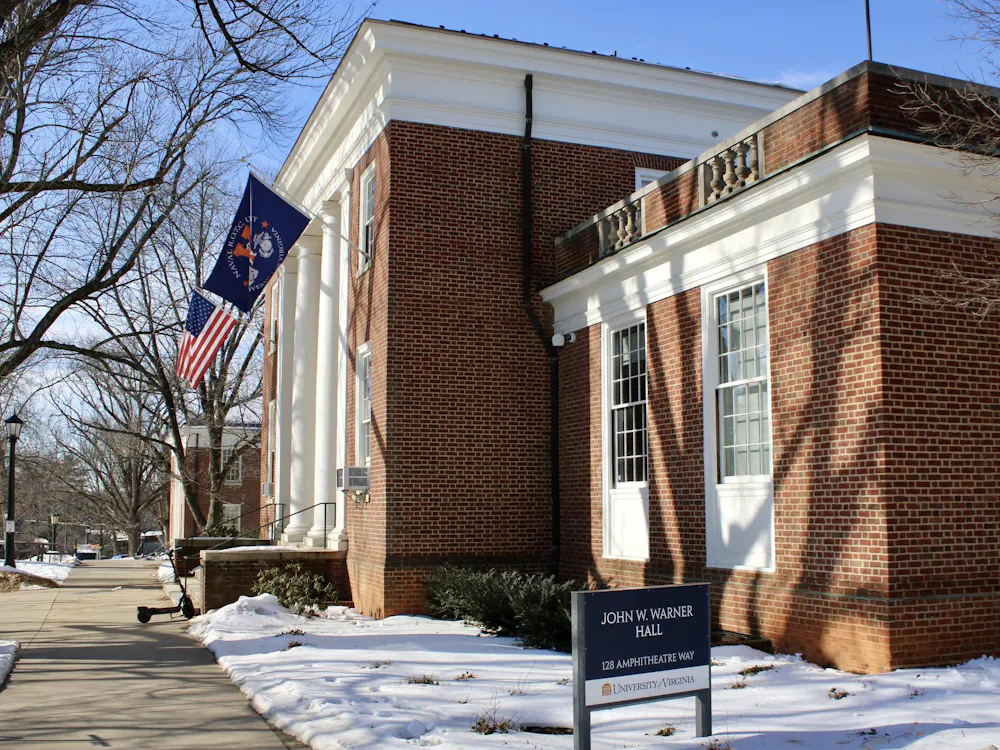
U.Va. ROTC programs continue to prepare students for military service and leadership
By Margaret Nichols | 14 hours agoOn Grounds, Naval ROTC was established in 1940, making the University the 10th in the nation to have the program.
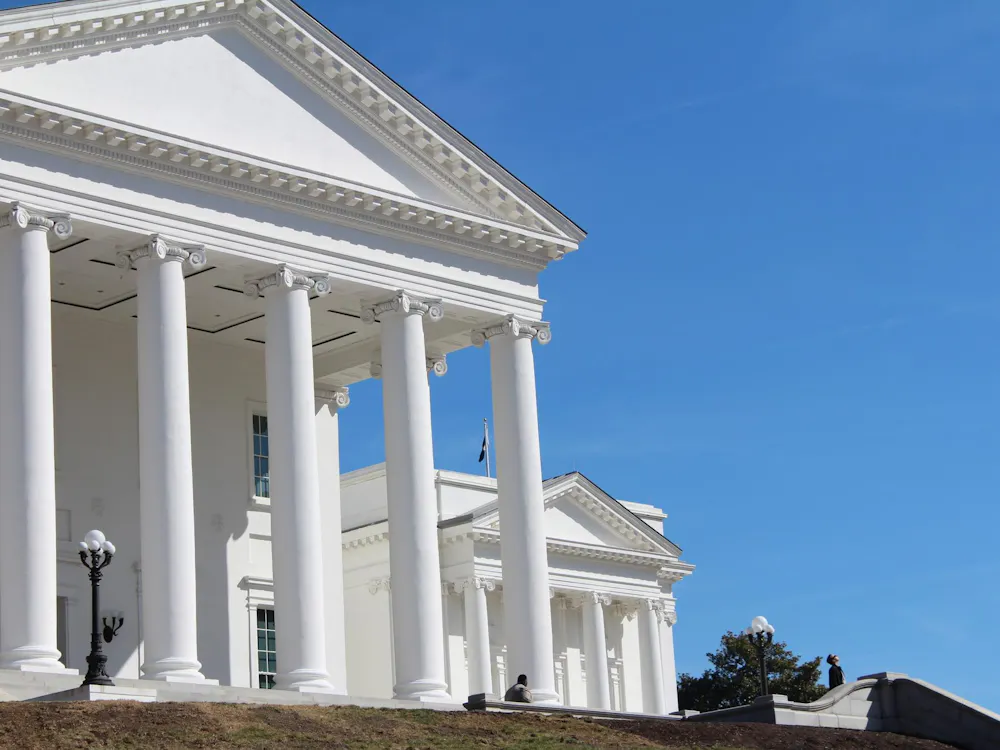
General Assembly reconvened Wednesday, vetoed many amendments for marquee bills
By Grace Little | 15 hours agoThe House of Delegates and state Senate accepted the majority of Spanberger’s recommendations, according to VPM, but legislators did not accept amendments to marquee bills on gun control, drug affordability and collective bargaining.
3TP Ventures recommends increasing fees for student housing at City Council meeting
By Luca Bailey | YesterdayThe report suggested increasing the fees private student housing developers pay to support affordable housing in the City.