EDITORIAL: College sports need fixing
By Editorial Board | YesterdayCollege sports, in their current state, are fundamentally broken, and they desperately need legislative stabilization and reform.

College sports, in their current state, are fundamentally broken, and they desperately need legislative stabilization and reform.



For her part, Spanberger should, under her authority as Governor, call a special session of the Legislature to address the growing crisis.
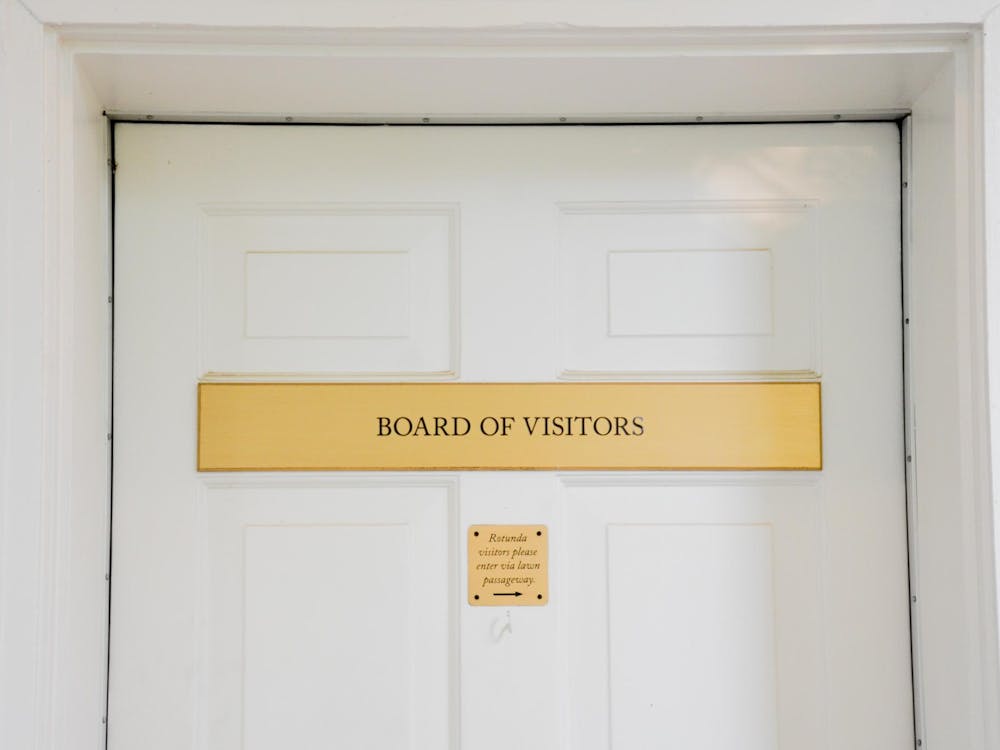
While some private meetings under certain circumstances may have benefits, McKinsey’s involvement flips the script in a dangerous way.

From July 1 onward, the higher education bubble for graduate students will only worsen thanks to federal student loan policies.

To understand the intersections between University president, Board member, student and governor is to equip yourself with the ability to lead informed and successful advocacy — advocacy that is sustained with true curiosity for this University’s future.

The General Assembly has since rejected these amendments, but the consequences of these delays still remain — chiefly, the further postponement of vital legislation for the governance of higher education.

These events may turn out large crowds and generate TikTok clicks, but these formats are inadequate at facilitating genuine intellectual intercourse.

The ire of the federal government is no longer directed only at administrators who refused to bend the knee, but instead appears to have trickled down to the students themselves.
This environment of invective is unproductive and risks simplifying an issue of grave consequence for Virginia’s political influence.

Senate Bill 494 not only responds to some of the specific causes of the crises felt over the last year, but it also holds the potential to clearly shift the culture at Virginia’s public educational institutions towards a model of shared governance.
When the Audit Committee conducts its review, it should prioritize addressing many unresolved concerns over the process.
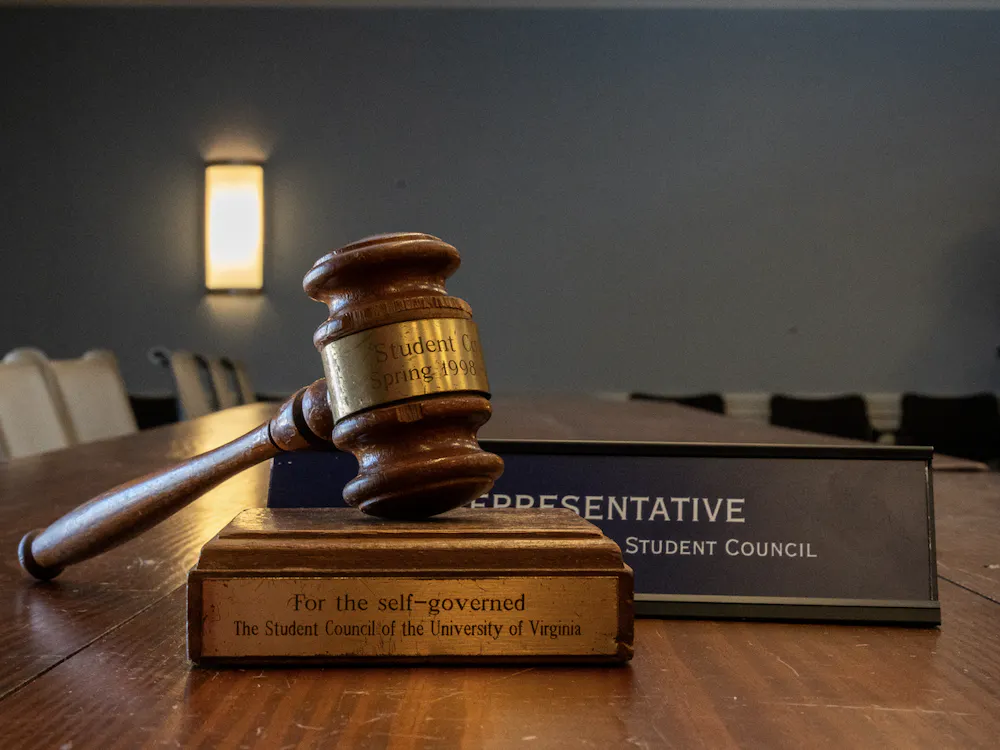
In the spirit of its need for community trust, UBE must publish a final, comprehensive decision on the Student Council presidential election with sincere consideration paid to all available evidence.
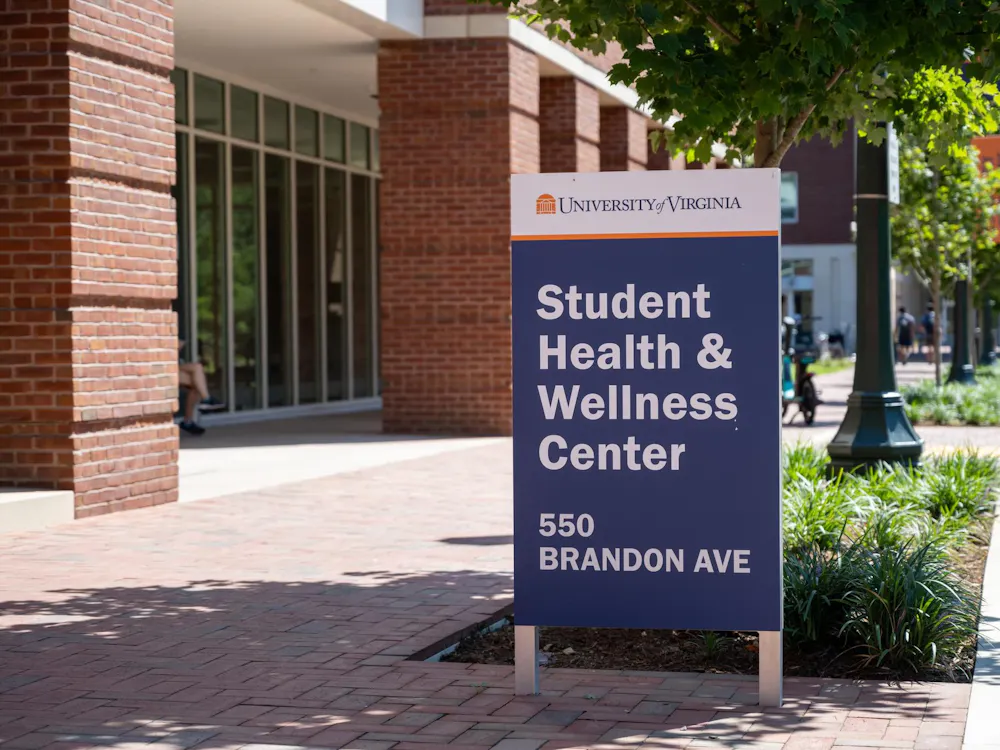
In light of continuing national and regional efforts to restrict reproductive rights of women, Student Council and U.Va. Health must continue to collaborate on ensuring safe and reliable access to reproductive health care.

Though not perfect in all respects, this year’s elections should be lauded as a stepping stone to achieving greater student engagement in the future.

Open dialogue challenges students to defend their ideas under scrutiny and forces robust exposure to new and diverse ideas.