Neurobiologists at the University of Chicago determined that even in the absence of appetite, the ingestion of food or drink can serve as a natural way of reducing pain.
Researchers fed rats a chocolate chip or administered them water while a light bulb was turned on beneath the cage, heating their paws to create a pain stimulus. The speed of the rats' reactions - lifting their paws to retreat from the heat - while the animals were eating or drinking was significantly decreased compared to when they were not consuming food or drink. Researchers speculated that the response was delayed because the eating or drinking stimulated a section of the brain that controls subconscious responses and dulls pain. The researchers believe the same effects could be found in humans.
There was no difference in the delayed response time between the rats given the chocolate chip and the rats given water. When the rats were given an unpleasant substance, quinine, however, they did not experience the distraction-analgesic effect seen in those that consumed chocolate or water.
The team then tested the rats while they were under the influence of drug-induced illness to explore the importance of the context of ingestion in food- and drink-related pain responses. While water proved to still be effective in delaying their reactions to pain, the effects of chocolate on their pain responses were actually nullified in this context.
-compiled by Kate Singleton
Read More

U.Va. students and physicians team up for another year of free kidney screenings
By Merrill Hart | November 5, 2024Saturday’s screening marked the first by KDSAP at Portico Church, near IX Art Park.
U.Va. Health sees a spike in COVID-19 cases
By Emily Horn | September 4, 2023U.Va. Health ended their vaccination requirements in August, and masks were made optional in most hospital areas in early April.
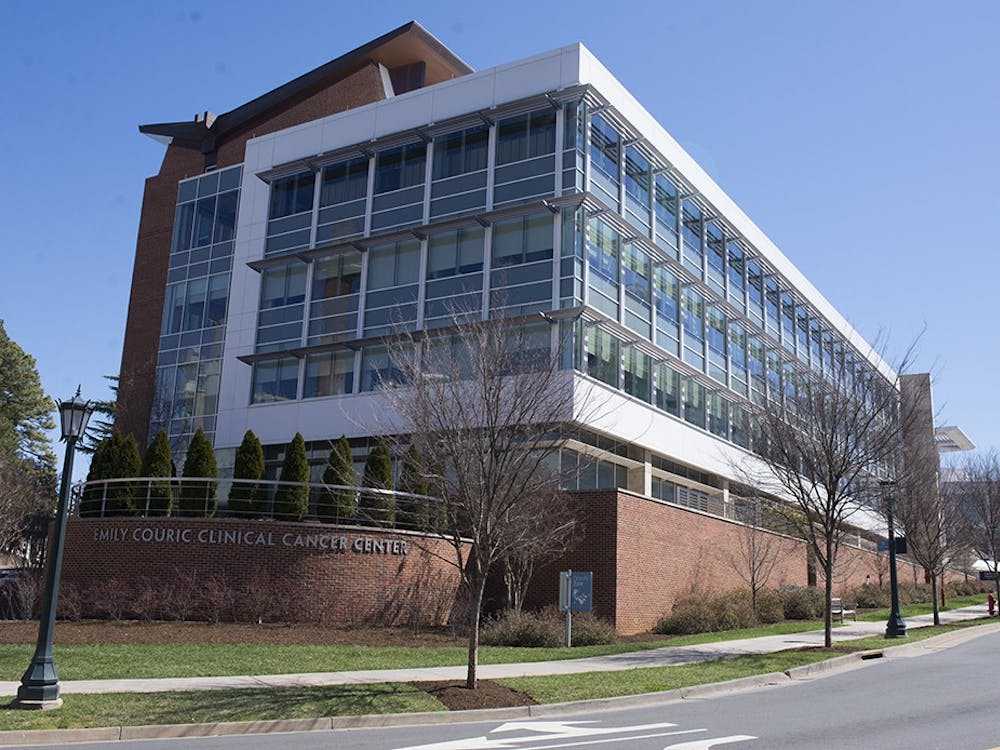
U.Va. Cancer Center harnesses $12 million grant to support opportunities for undergraduates, ongoing research and new center
By Ellen Wu | January 12, 2023The grant provides an opportunity to establish the Center for Systems Analysis of Stress-Adapted Cancer Organelles, which seeks to find the cause of cancer in individual organelles.