News
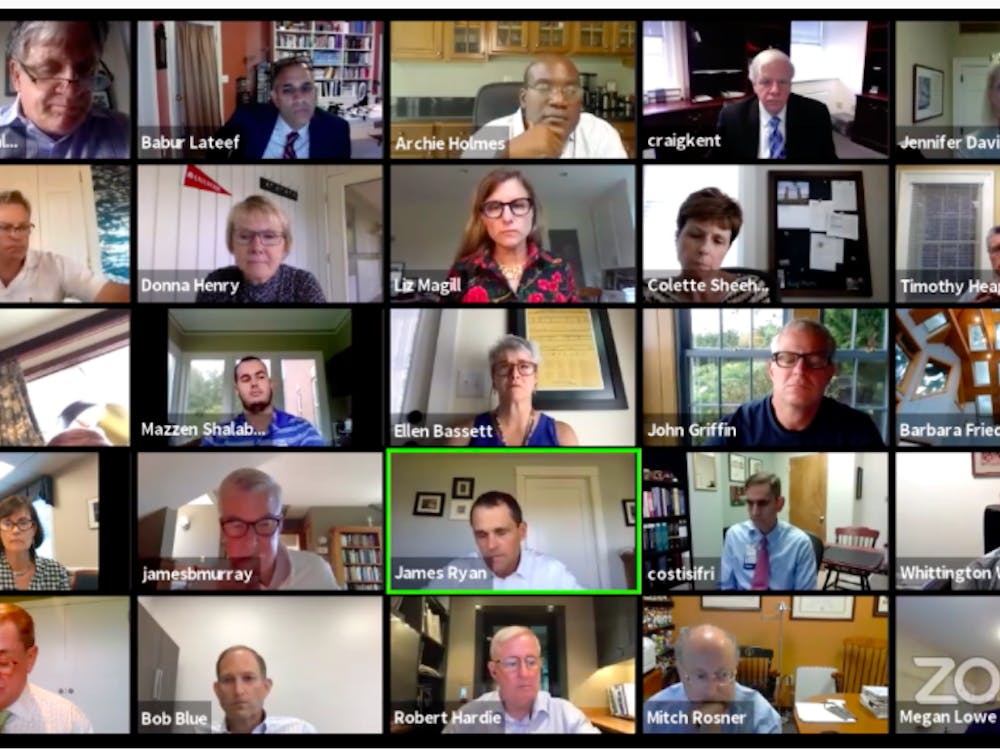
President Ryan updates Board of Visitors on the University’s reopening
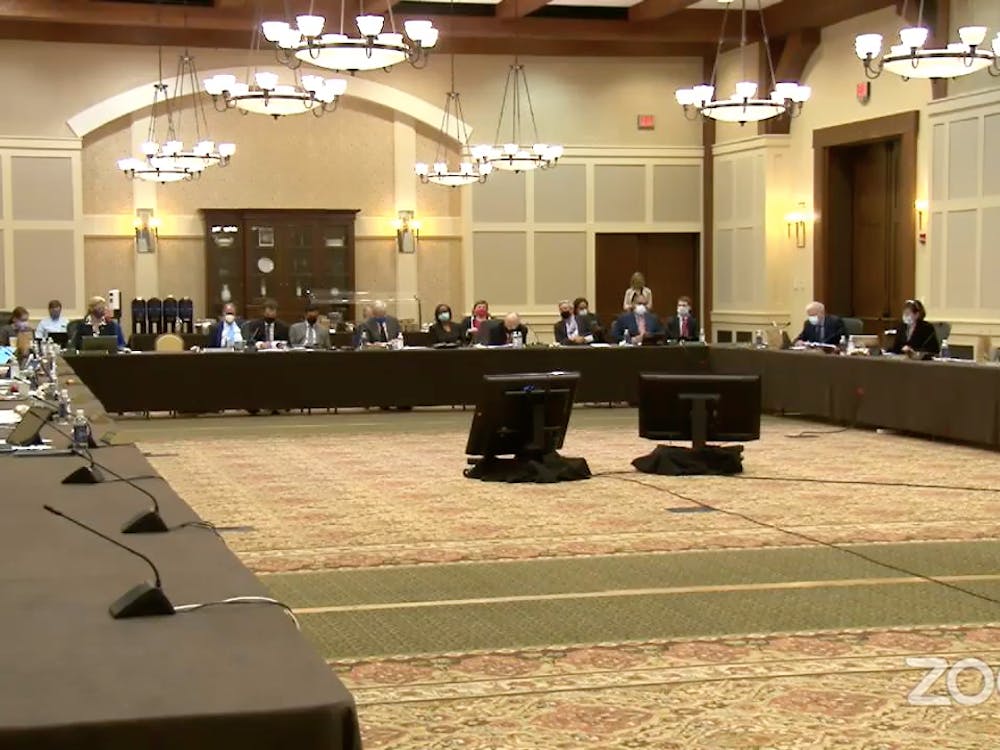
By Eva Surovell | September 14, 2020University President Jim Ryan described the University's reopening as "so far, so good."

University President Jim Ryan described the University's reopening as "so far, so good."

Dr Reid Adams, Chair of the Department of Surgery and Chief Medical Officer Adams provided updates on the contributions of UVA Health to the community.
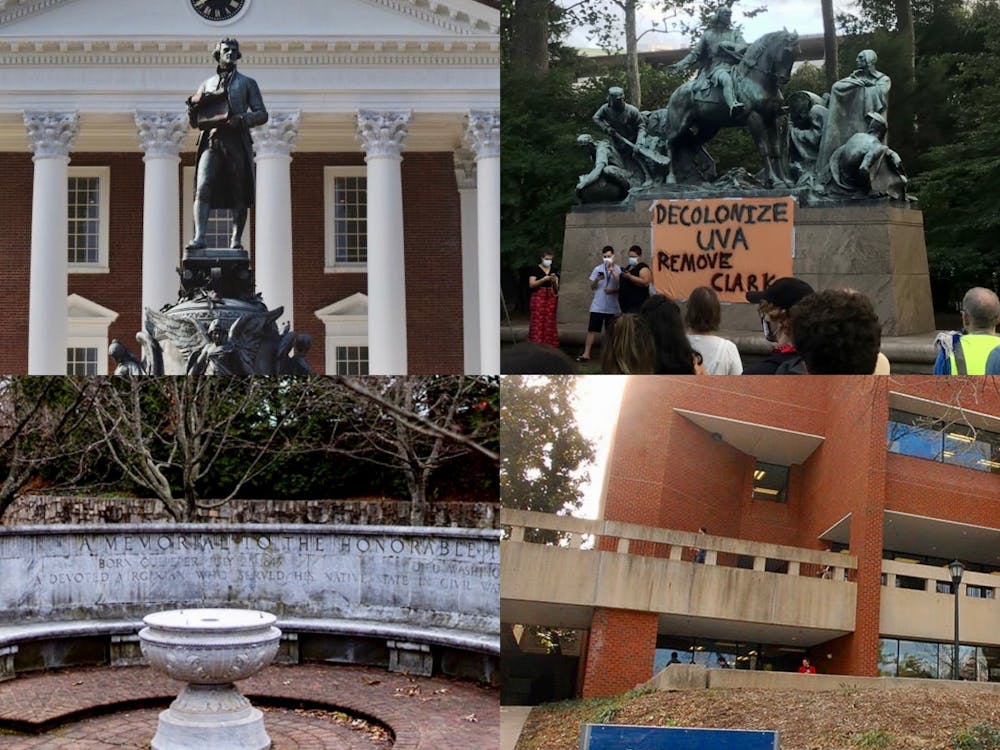
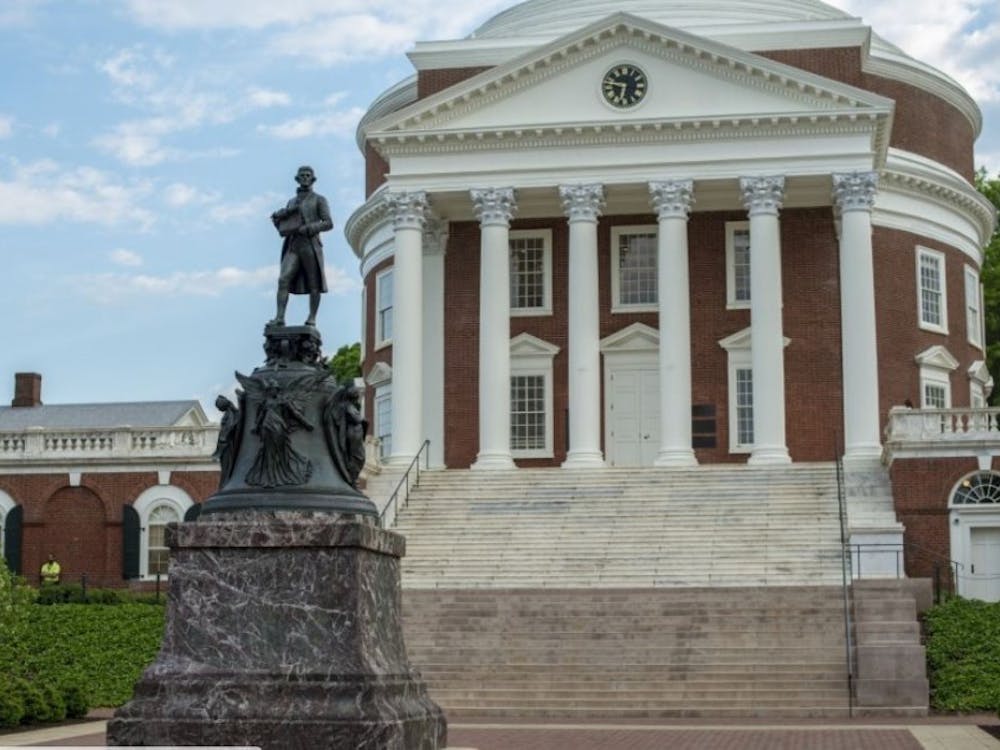
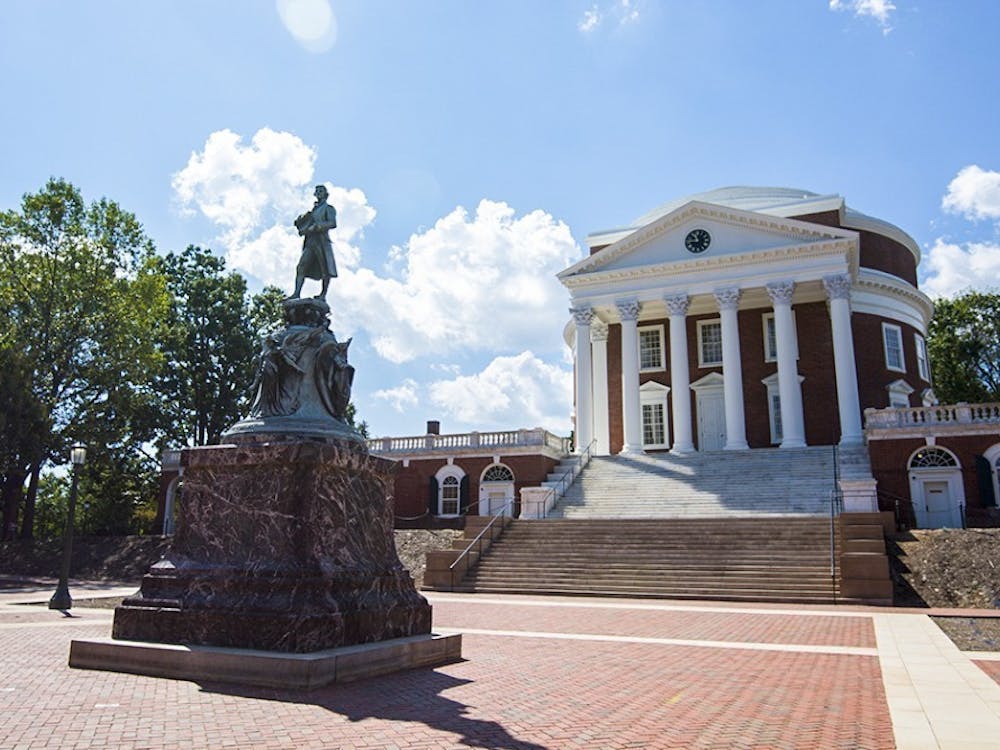
The Board of Visitors approved resolutions to remove the George Rogers Clark statue, contextualize the statue of Thomas Jefferson in front of the Rotunda, rededicate or remove the Whispering Wall, rename the Curry School and rename Withers-Brown Hall.
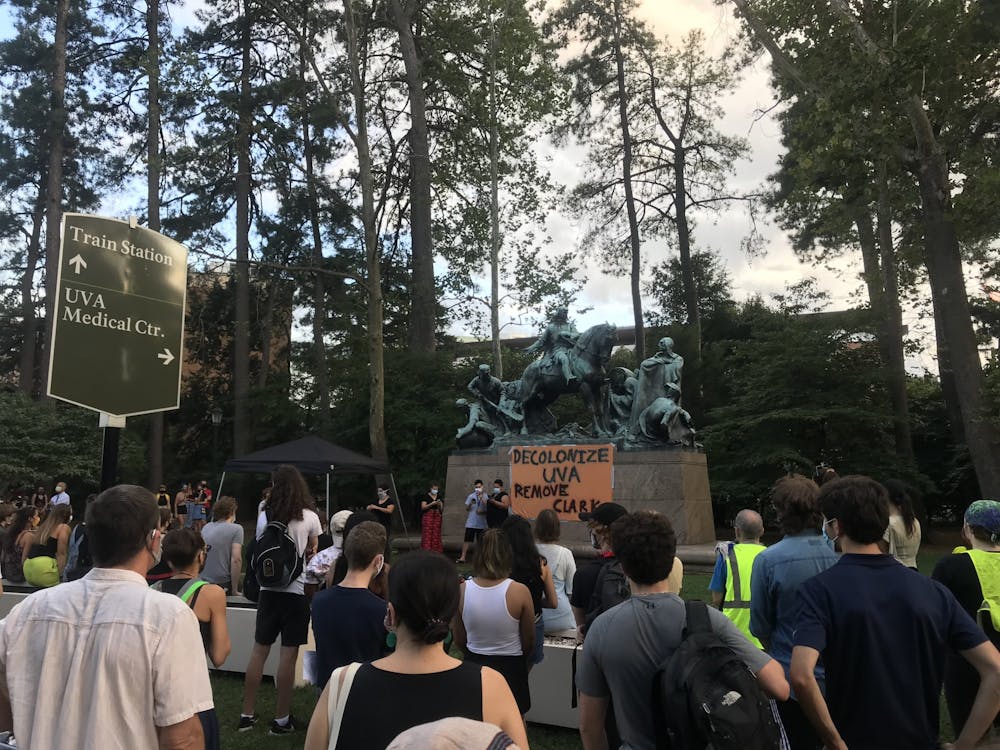
The Board is scheduled to discuss the historic landscape during Friday's full board meeting, as well as the Racial Equity Task Force report submitted to President Ryan in August.
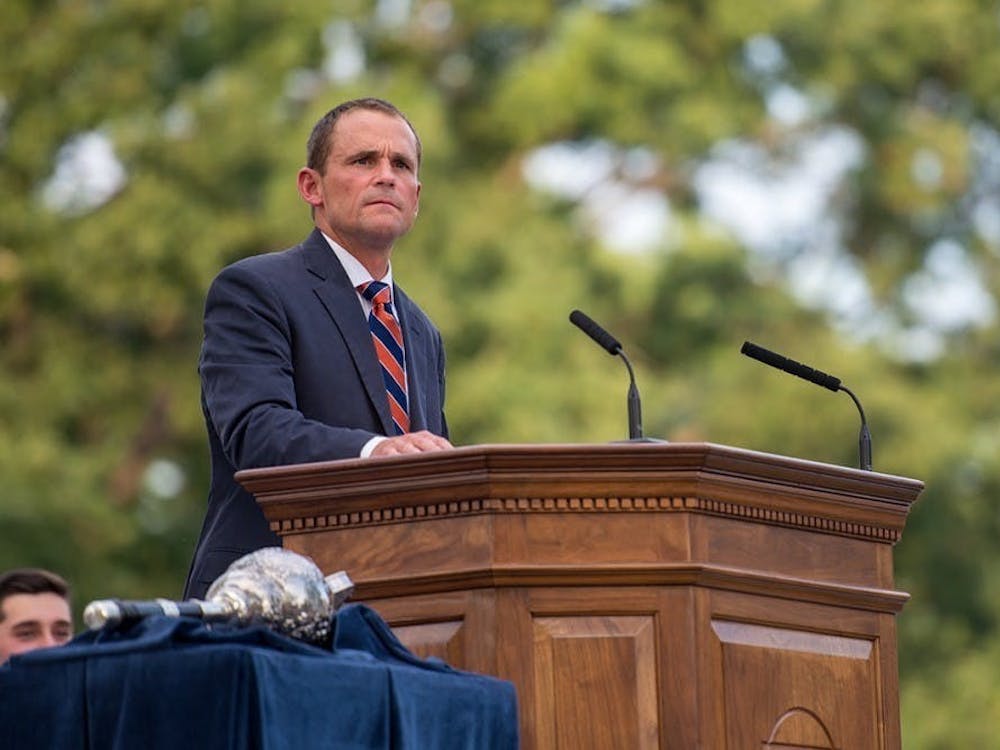
Just over two weeks into the academic year, Ryan says he is “cautiously optimistic” that the University will not have to send students home mid-semester because of the University’s increased testing capacity and additional isolation and quarantine space.
The COVID-19 and safety-related demands include financial compensation and hazard pay, adequate personal protective equipment and risk reduction, revised and clearly articulated policing and COVID-19 guidelines, provisions for food security and housing stability and revised financial aid policies for resident staff.
In an effort to prevent the spread of COVID-19 through asymptomatic individuals, the University plans to notify anywhere from 50 to 150 students daily that they are required to provide samples.
As of Monday, there have been 47 reports of students violating COVID-19 restrictions, though there is significant overlap between the reports. 11 reports were from the University’s Just Report It portal, while 36 reports were made through the community portal.
University leadership cited several reasons for their decision in the email, including improving conditions locally and in Virginia, knowledge gained from other universities who have opened, and encouraging behavior from student athletes, graduate students, and other individuals in Charlottesville over the summer.
The total number of cases among students, faculty, staff and contract employees since Aug. 17 is now 67, not including pre-arrival testing, according to the University community tracker.
The message comes the weekend before classes begin, which typically marks annual Block Party celebrations.
UNC’s decision to pull the plug on in-person classes comes after clusters of cases popped up in three residence halls and a fraternity house — where students live in close proximity to each other — just days after the semester began Aug. 10.
Ryan plans to discuss the full report, which is available on the task force’s website, with the University Board of Visitors next week.
Seven different teams are working on different aspects of the return, from safety concerns to educational preparations.
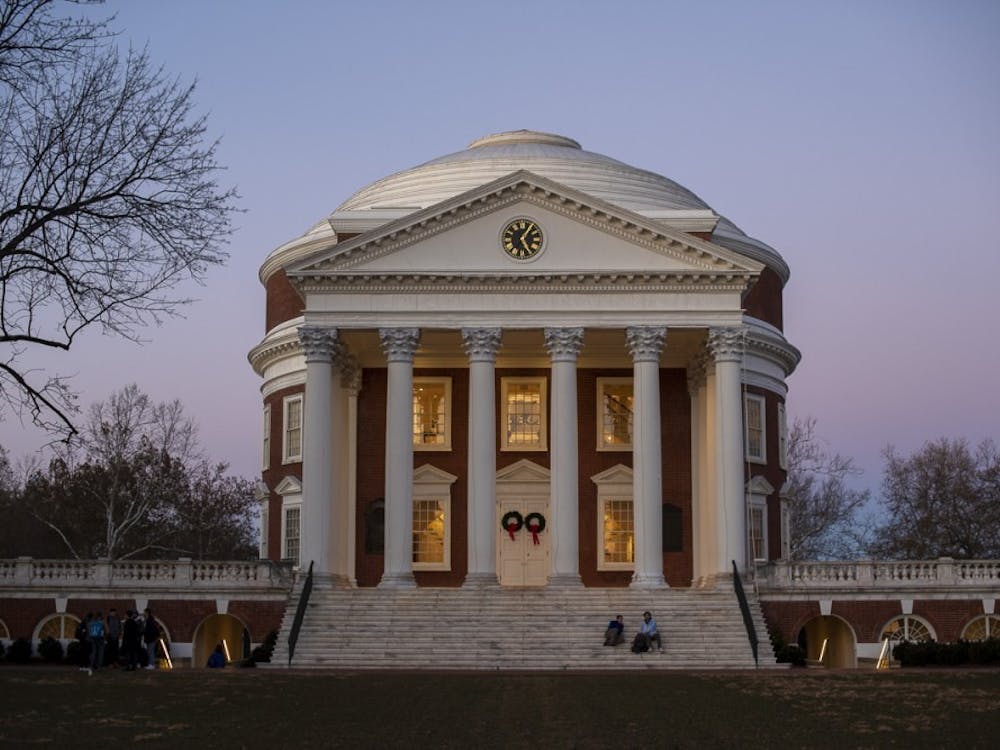
The semester will still start Aug. 25 as originally planned, but President Jim Ryan and his executive team are urging students who plan to live off-Grounds to delay their return until in-person courses resume.
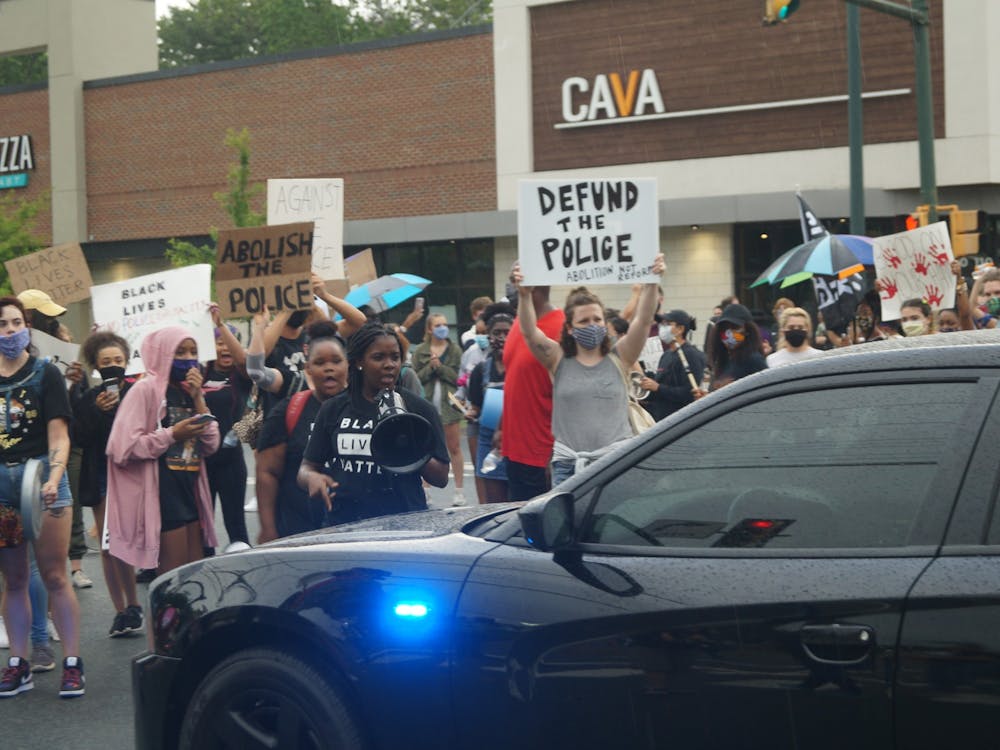
32 percent of arrests made by UPD in 2019 were of Black individuals, whereas the University's student body is roughly 6.5 percent Black and the City of Charlottesville is just under 20 percent Black.
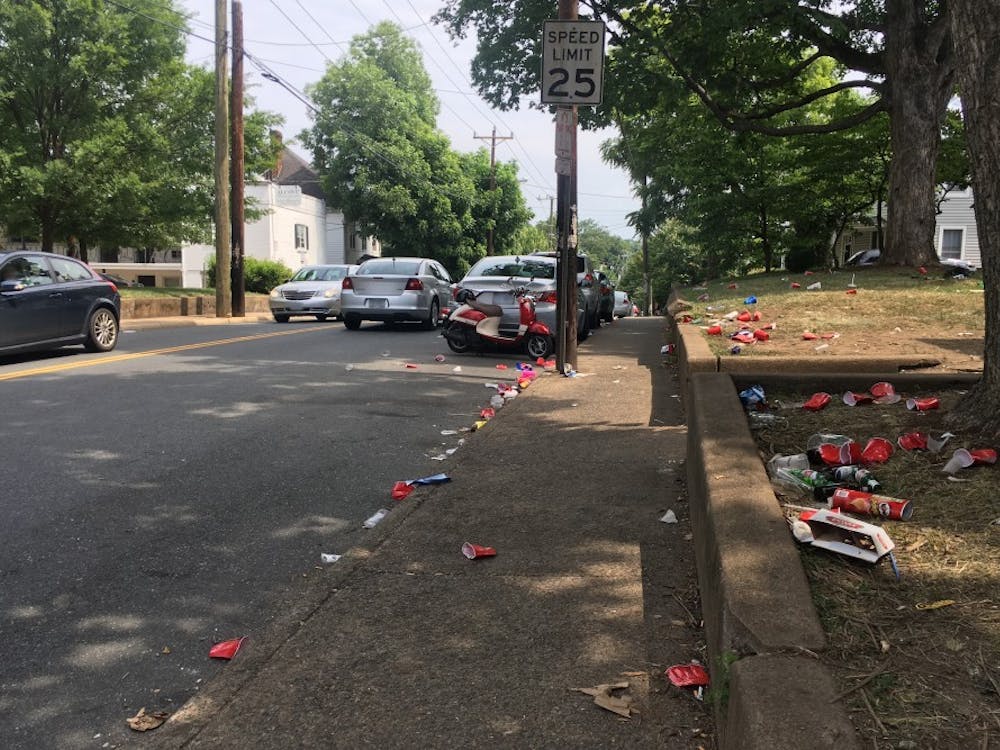
Several photos shared online of the gatherings depict large gatherings of students — few of whom were wearing masks.
The now-rescinded regulations prohibited F-1 students — those in an academic program — and M-1 students — those in a vocational program — attending schools operating entirely online from entering or remaining in the U.S. if they were to take a fully online course load.
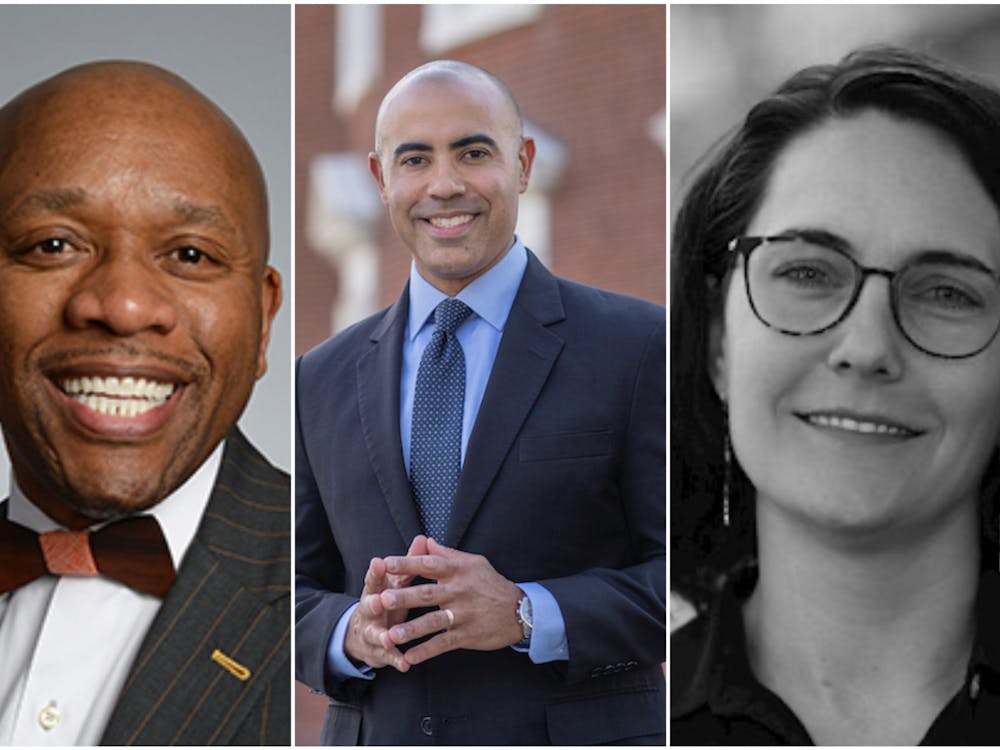
The University’s Racial Equity Task Force was created by President Jim Ryan June 3 with the goal of developing a concrete list of actions for the University to take to further racial equity efforts on Grounds.
The students argue that the incorporation of anti-racist teachings into University-wide curriculum requirements is “fundamental to transforming the overall embodiment of the University’s values.”


