"It's for charity!" That's the best excuse someone could come up with for the recently released new version of "We Are the World," the most famous charity single of all time. Originally written by Michael Jackson and Lionel Richie and produced by Quincy Jones in 1985, featuring a wide of array of the most prolific people in music at the time, the song still stands as the best of its kind today. Perhaps it makes sense, then - at least on paper - to want to recapture the magic 25 years later in the name of helping the recently devastated nation of Haiti. If you watched the Olympics opening ceremony, you saw this idea come to fruition as some of the biggest names - and more frequently, the mediocre names - in today's music world came together to record a new version of the classic song.
Here's the problem, though: The song is horrendous. From the opening line - courtesy of Justin Bieber, of all people - to the awkward rap interlude, the new version falls apart on all levels. The lack of quality control compared to the original version is perhaps the most shocking element of all. Why is the lead singer of The Pussycat Dolls there? Why is Justin Bieber (?!) up past his bedtime? Why does having Janet Jackson's image superimposed on top of her brother Michael's seem so awkward? Guitars, Auto-Tune and a heavy dose of shouting all make unnecessary appearances, and if you make it far enough to hear the aforementioned rap breakdown, then consider all of your sins atoned. But the greatest problem of all, especially when compared to the original, is the lack of true superstardom - Beyonc
Read More

The best albums of 2014
By Noah Zeidman | December 4, 2014Across genres, it has been a pretty great year in music.

Top 10 movies of 2014
December 4, 2014This has been an excellent year for film, offering everything from gripping blockbusters to innovative personal films.
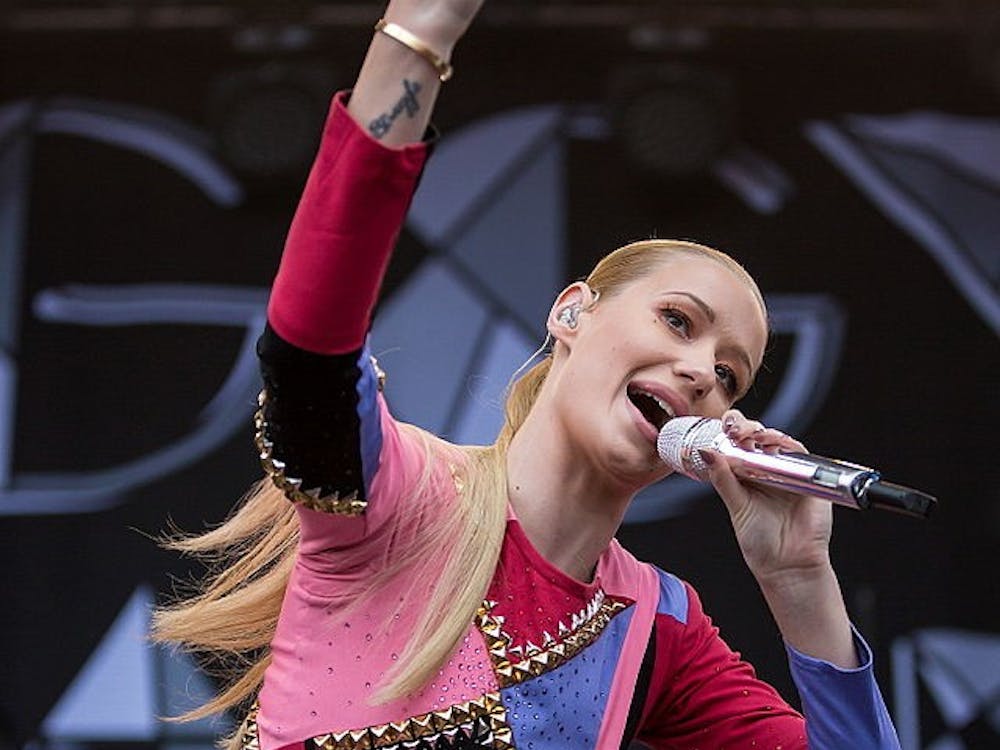
Iggy Azalea is “Reclassified”
December 4, 2014It has become common practice among music artists to repackage their albums in an effort to simultaneously boost single sales and dish out new content by slightly renaming the album or slapping “Deluxe” onto the title.