
The University chapter of Kappa Sigma fraternity has been sanctioned by its national body for violating the organization's code of conduct, chapter leadership said yesterday. Members of the fraternity and University officials declined to comment on the nature of the incident that brought about the sanctions.
Mitchell Wilson, executive director of Kappa Sigma's national body, confirmed that the concern arose as a result of "inappropriate activities with the pledges," although he also declined to elaborate further.
"It is an internal matter," he said, "but the chapter is not shutting down, and we are beginning the process now of moving forward with our sanctions."
The chapter has not violated the fraternity's code of conduct in recent years and that reflected favorably on the chapter when the national body handed down its sanctions, Wilson said.
Kappa Sigma was founded in 1869 by five University students and currently has chapters at more than 250 college campuses. The national Kappa Sigma headquarters is located in Charlottesville.
The Office of the Dean of Students will address the violations with members of the fraternity, according to an e-mail from Michael Citro, assistant dean of students and director of fraternity and sorority life.
"We remain committed to supporting and working closely with the undergraduate chapter next semester and in future years," he said.
Read More

U.Va. and United Way of Greater Charlottesville launch ‘Give Where You Live’ donation partnership
By Vrinda Vashisht | 21 hours agoThe program is set to run through Dec. 18, and its start date coincided with United Way’s 35th annual Laurence E. Richardson Day of Caring.

Student Council passes bill to create ad hoc committee to review UBE proceedings
By Edward Christopher and Anna Ivanov | 21 hours agoThe Commission will craft a report on the University Board of Elections’ current structure and governance practices, putting forth proposals for corrective action based on its findings.
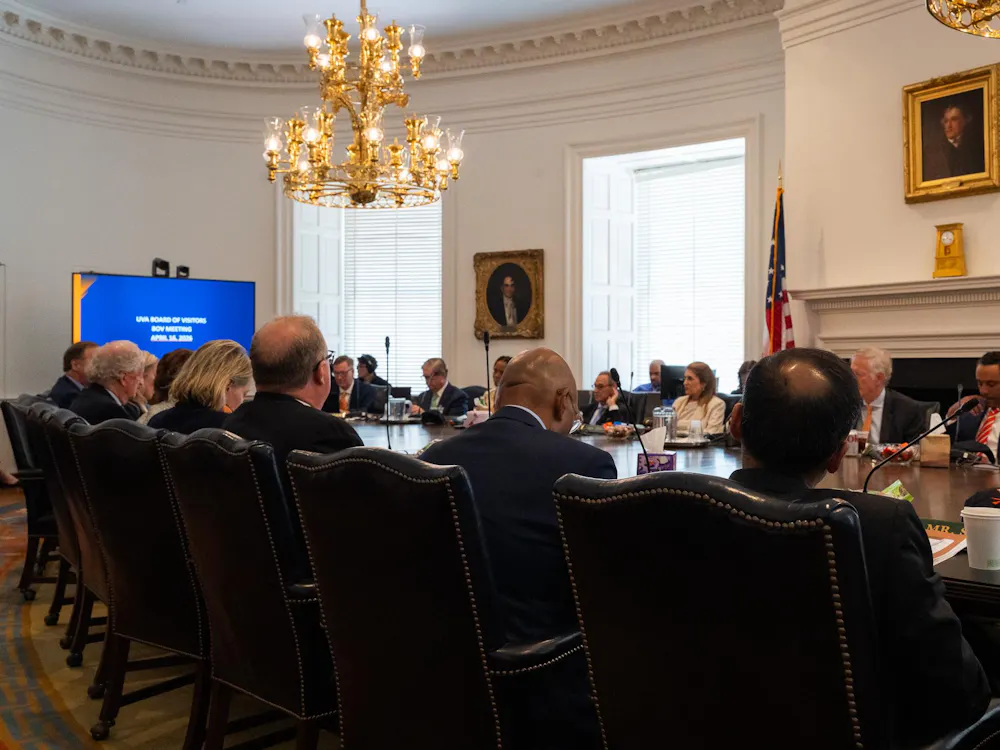
Board of Visitors discusses the implementation of AI in research and academics
By Jaylynn Perez | YesterdayThe Board also received an orientation on changes to NCAA athletics, completed its annual Atlantic Coast Conference certification, heard a report from Aaron Bloomfield, Faculty Senate chair and engineering professor, and discussed the University’s ongoing searches for a provost and several deans.


