New neuromorphic computing method could rapidly accelerate AI advancement
By Sydney Newburn | February 24, 2022The project is investigating the potential of implementing a new type of memory known as phase-change memory.
The project is investigating the potential of implementing a new type of memory known as phase-change memory.
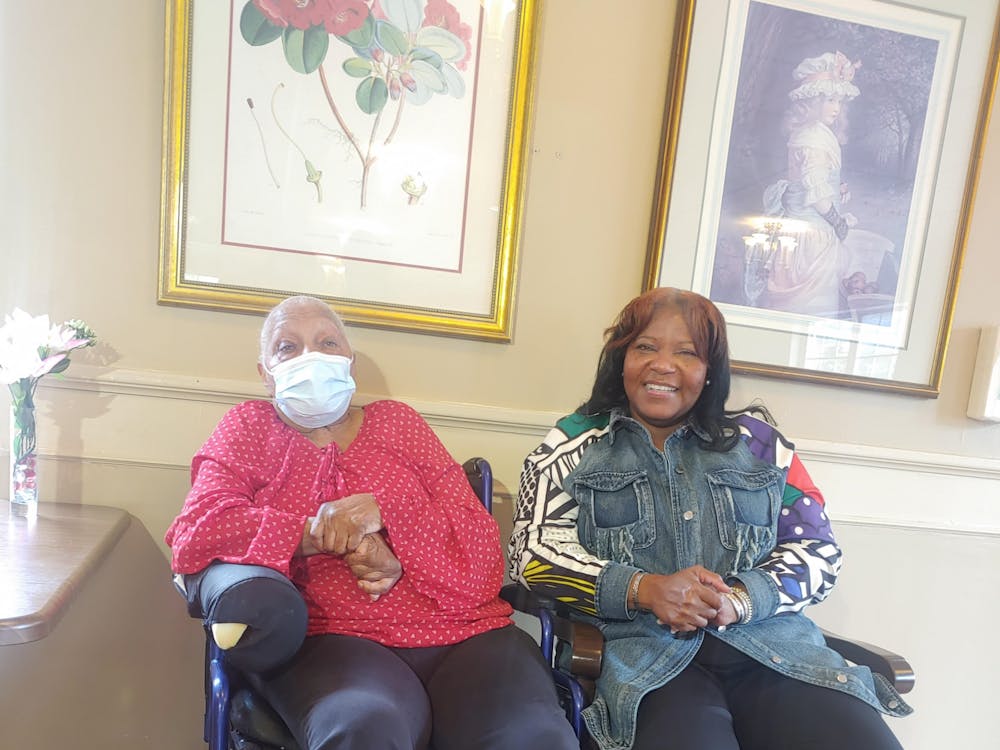
Business owner Wendy Cooper has joined forces with several members of the University faculty to create a film educating people of all ages about Alzheimer's disease.
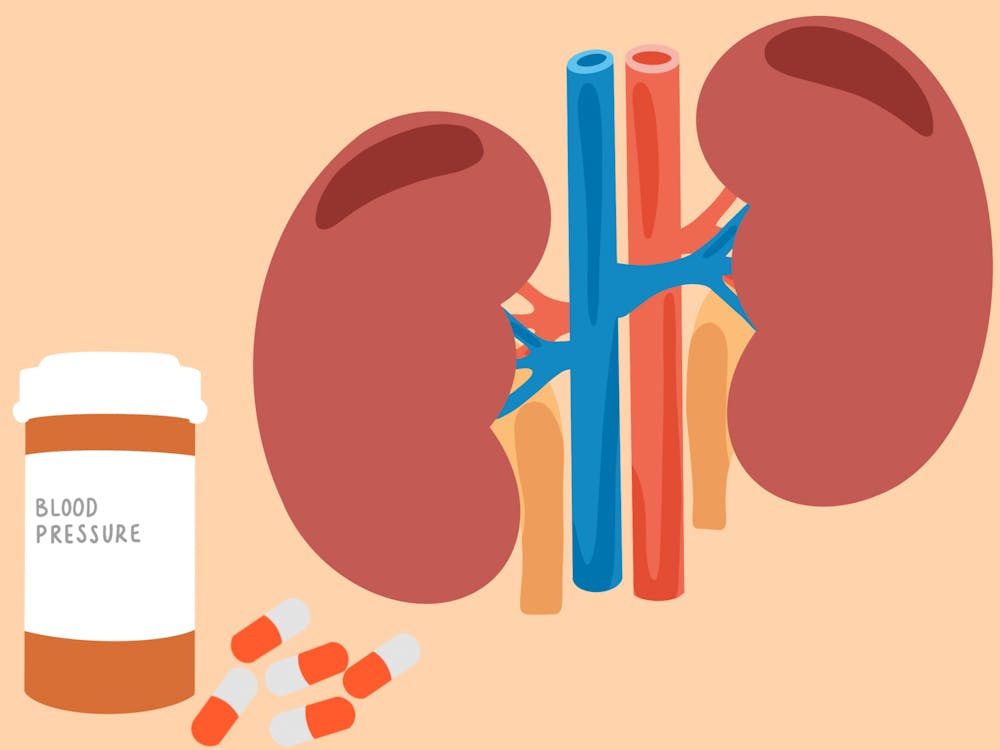
The research found that long-term use of blood pressure medications may harden kidney vessels causing kidney damage.
A team of School of Medicine researchers recently investigated the use of a novel gene therapy treatment called TANGO to treat Dravet Syndrome, a severe form of epilepsy.
The high vaccination rate of Latinx individuals in Charlottesville was supported in part by the work of the U.Va. Latino Health Initiative.
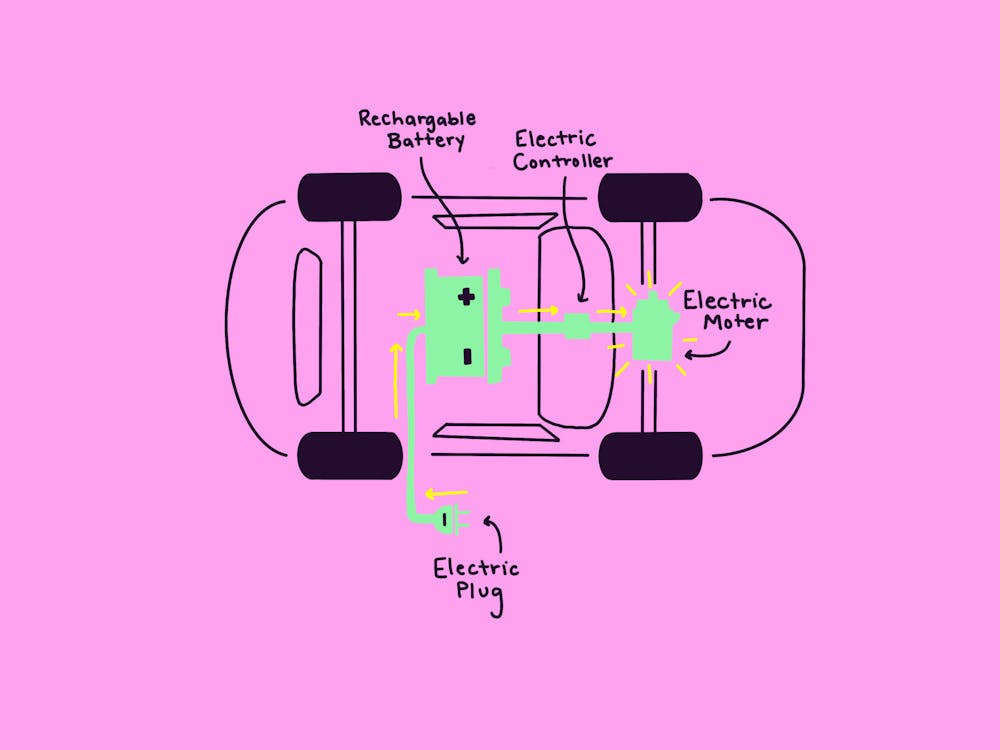
The research team’s proposal focuses on creating ion-conducting ceramics in batteries rather than the liquid electrolyte of a lithium ion battery.
The School of Nursing has made a concerted commitment to the University’s “great and good” mission.
WellAWARE was launched with the help of University health system funding to combat healthcare inequalities in Charlottesville neighborhoods and is now welcoming referrals for their first patients.
An international COVID-19 drug development team is currently creating a unique drug cocktail.
Effective January 3, 2022, U.Va. Health has prohibited routine patient visitation, with limited exceptions.
The University has committed to reducing building energy use intensity to 20 percent below 2010 levels, approximately 175 kBTU, by 2023 as part of its 2030 Sustainability Plan.
Researchers collaborated across the University’s School of Medicine and the School of Engineering and Applied Science to develop a new 3D bioprinting method known as DASP – Digital Assembly of Spherical Viscoelastic Bio-Ink Particles.
Recent results from clinical trials indicate that REGEN-COV was shown to reduce risk of COVID-19 infection significantly after eight months of study.
Doctors from Student Health and Wellness and U.Va. Health provide guidelines on ways to prevent the spread of infection and ease symptoms, as students experience this spike in illness.
The University's Center for Leading Edge Addiction Research focuses on developing treatments for those who are experiencing addiction.
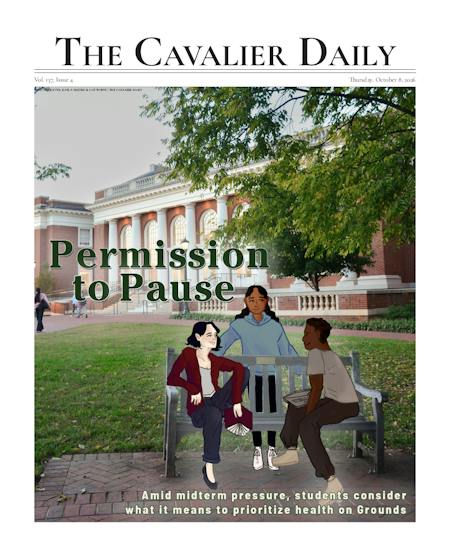
While burnout does have far-reaching effects, there are numerous ways that students can address it.
By identifying a certain type of neuron as a factor in triggering seizures, this study provides a new way of thinking about how to treat a very severe form of epilepsy.
Despite the challenges these students face, engaging in research has been an important and fulfilling aspect of their undergraduate experience.
University experts explain the positive effects of mindfulness on the mind and body and the ways in which students can practice mindfulness.
U.Va. community members explore the science and importance of COVID-19 vaccine boosters following the CDC's endorsement of "mixing" the three FDA approved vaccine