University Judiciary Committee elects leadership for 2026-27 term
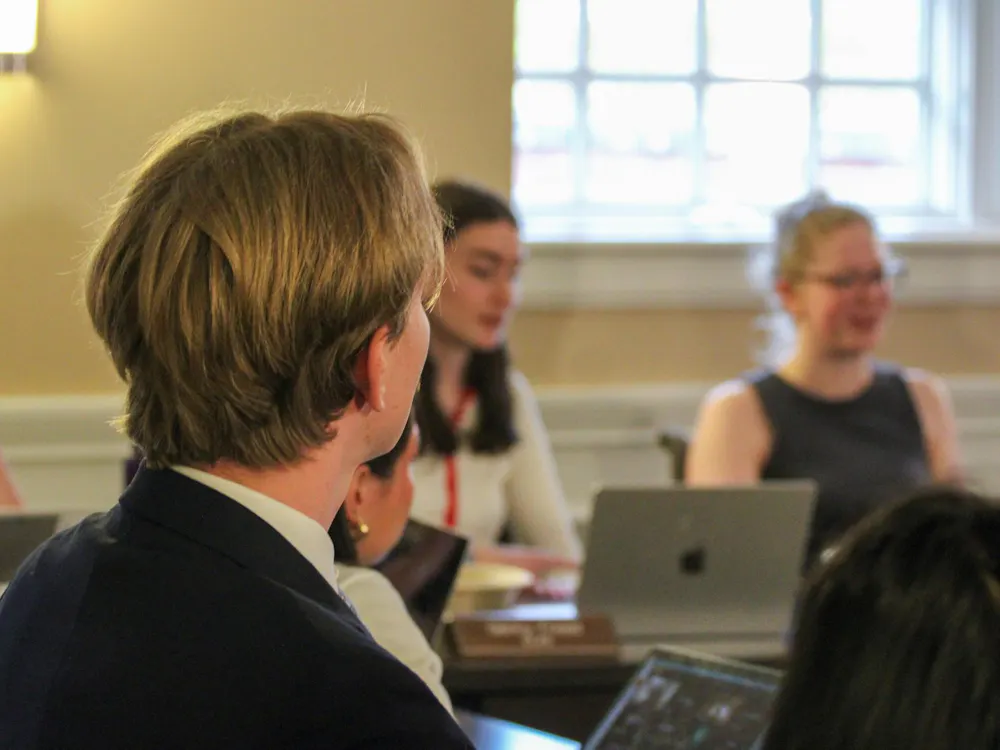
By Melody Yuan | April 14, 2026The UJC Executive Committee is composed of five voting members and seven non-voting members.
The UJC Executive Committee is composed of five voting members and seven non-voting members.
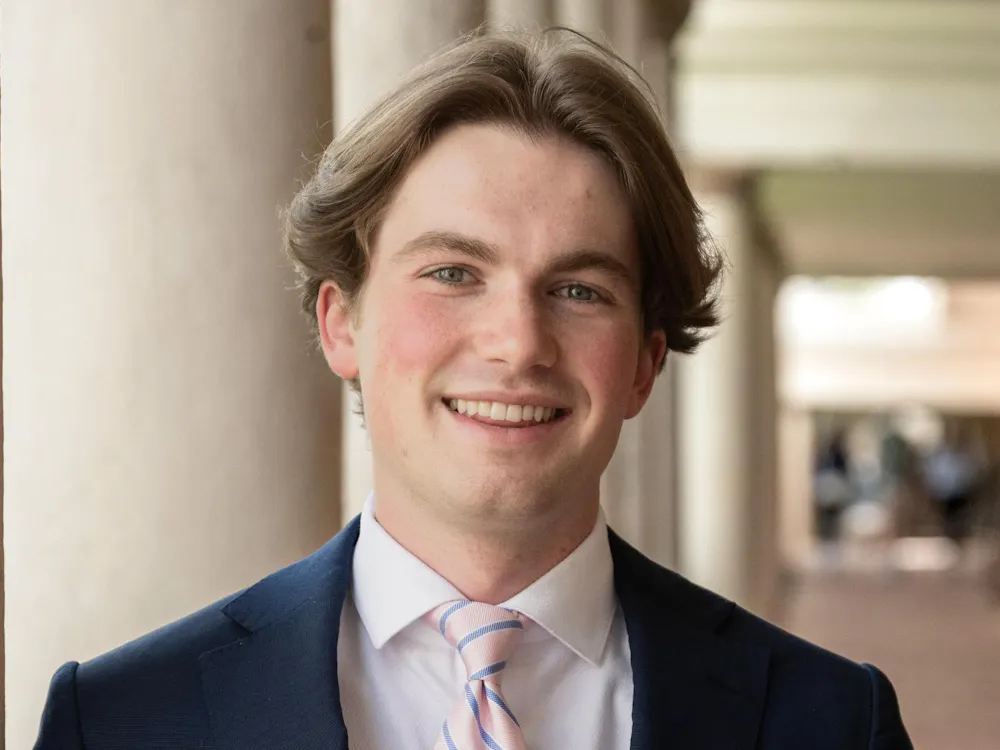
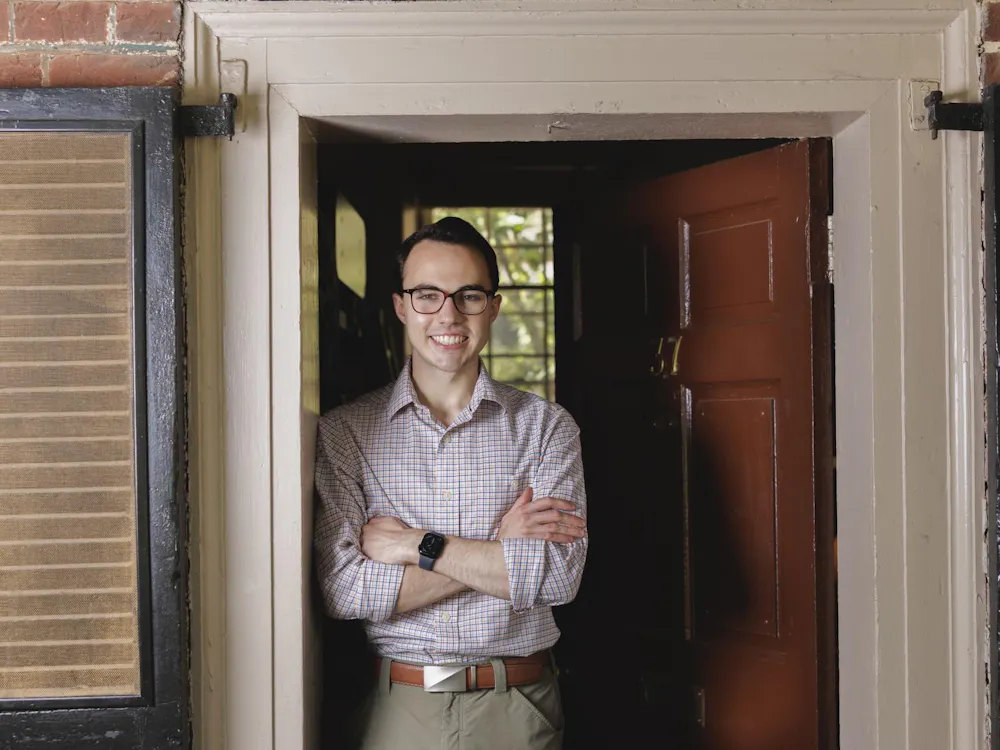
Zach Davidson, newly elected University Judiciary Committee chair and third-year College student, began his term April 1.
Genny Freed has assumed the position of Honor Committee chair, following her election to the position at the Committee’s annual Graves Mountain Lodge Retreat that took place March 27-29.
The meeting marked the last of the 184th term where Thomas Ackleson, former Committee chair and fourth-year Engineering student, introduced the newly-elected representatives and Executive Committee members for the upcoming term.
The new constitution also aims to clarify the responsibilities of Council members’ roles.
During his term as chair, the Committee adjudicated a total of 105 cases this term — up from 78 cases last year.
During her term, 31 cases were adjudicated, and she also worked to establish the policies and projects subcommittee and engage alumni.
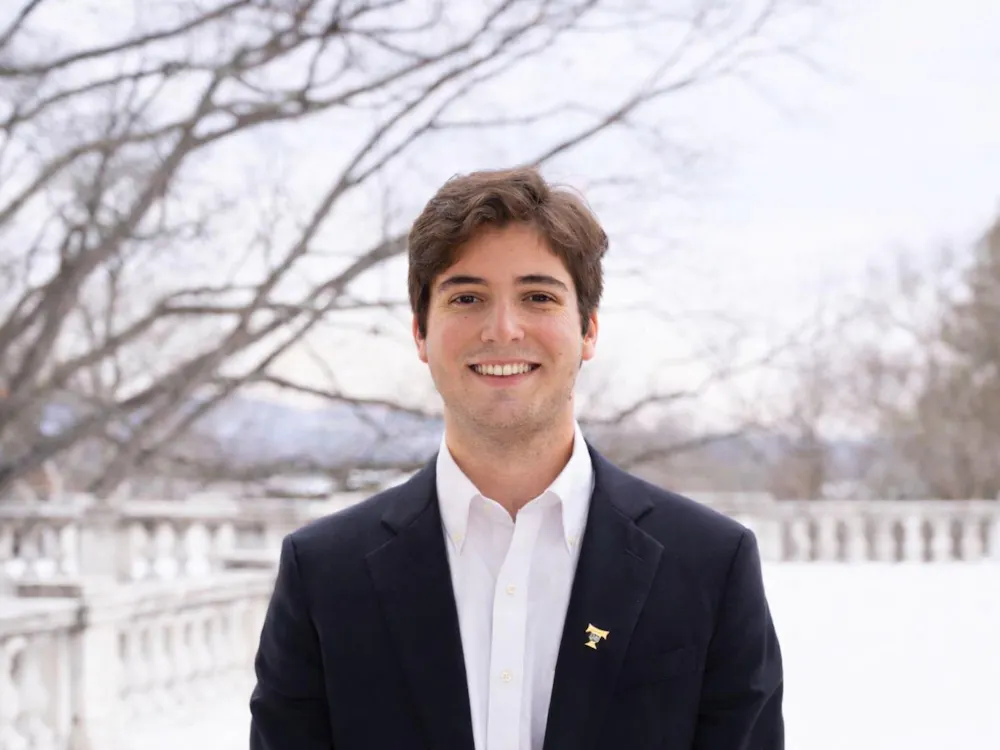
The meeting marked the start of the 71st term of the UJC, in which Allison McVey, former UJC chair and fourth-year College student, passed her role as chair to Zach Davidson, former vice chair for first years and third-year College student.
Internal elections to select the new chair and vice chairs took place during the Honor Committee’s annual Graves Mountain Lodge retreat March 27-29.
According to Thomas Ackleson, Committee chair and fourth-year Engineering student, the Committee aims to resolve as many honor cases as reasonably possible without compromising the integrity of the sanctioning process.
Student Council met Tuesday for their weekly general body meeting and announced that the Executive Board voted prior to the meeting to postpone its leadership transition as the Student Council presidential election remains under review.
Student Council voted to table a proposed bylaw amendment March 17 that would change how alleged violations of its Code of Ethics are handled and would require review by the Rules and Ethics Board instead of automatic suspension.
According to the report, UBE received 10 complaints during spring 2026 — nine of which related to student elections last month — and issued rulings in all cases.
The JRB’s decision found that the UBE failed to adequately compose, examine and address the irregularities presented by Andrews surrounding the Student Council presidential election.
The University Board of Elections held elections Feb. 24-26 to determine new Committee representatives who will begin their terms April 6.
Several evidence-backed irregularities in the endorsement process and lead-up to the Student Council presidential election occurred prior to the Feb. 24-26 voting period.
The University Judiciary Committee concluded its third annual Judiciary Week Friday
Dickerson said that through the major change in University leadership, student self-governance was “at its most powerful, yet most vulnerable in its history.”
Student Council convened for their weekly general body meeting Tuesday, where they heard from the University Police Department and Office of Emergency Management regarding the University’s response to the Edgar Shannon Library active attacker threat Nov. 3.
The Committee discussed a proposed mandatory AI general education course, AI tech corporation influence, AI detection software and whether the University should implement a general AI policy.