A research team at the University of Oxford experimented with rats to better determine the extent to which diet affects intellectual ability. One group of rats was given a diet comprised of a low fat-to-calorie ratio, containing 7.5 calories as fat, while the other was fed a junk food diet made up of 55 percent fat calories.
The study yielded noticeable differences between the two groups. The high-fat diet hindered the rats' short-term memory and rendered them less mentally alert. Those who were on the high-fat diet, therefore, took longer to complete the running of a maze than the low-fat dieters, who surpassed the high-fat group by 50 percent. Not only did the rats who suffered from the "high-fat hangover" gain significant amounts of weight, but the rats' muscle cells also experienced an increase in the amount of uncoupling protein 3, which causes a decrease in efficiency in converting oxygen to energy and a consequent increase in the size of the heart. The research team plans to investigate the extent to which this research applies to humans, especially in athletes.
-compiled by Kate Singleton
Read More

U.Va. students and physicians team up for another year of free kidney screenings
By Merrill Hart | November 5, 2024Saturday’s screening marked the first by KDSAP at Portico Church, near IX Art Park.

U.Va. Health sees a spike in COVID-19 cases
By Emily Horn | September 4, 2023U.Va. Health ended their vaccination requirements in August, and masks were made optional in most hospital areas in early April.
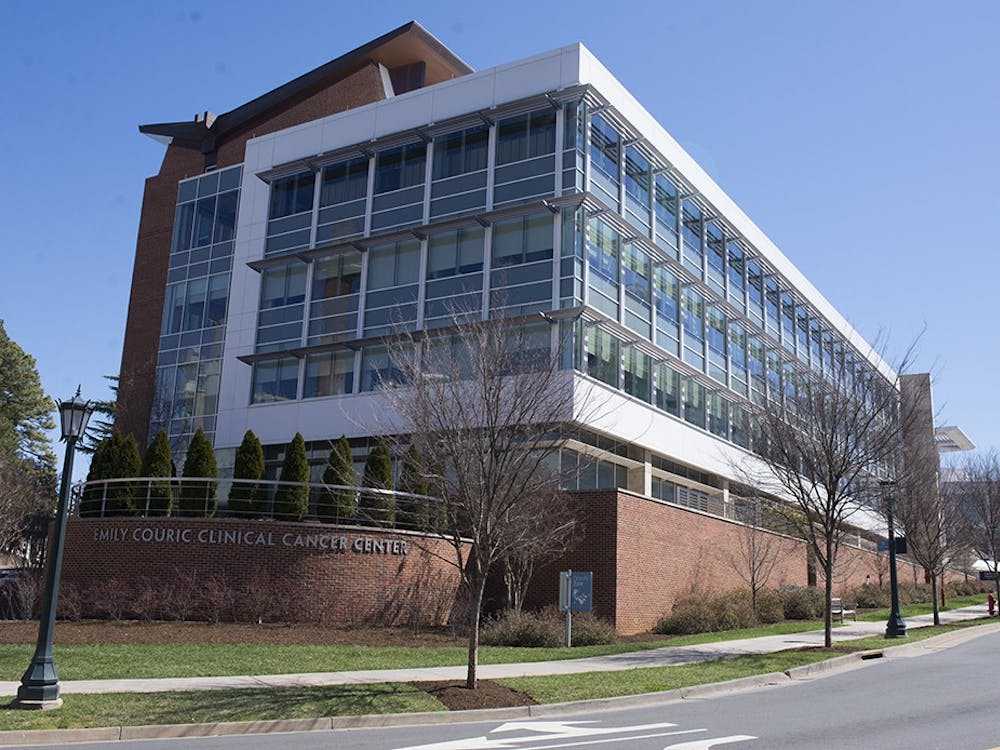
U.Va. Cancer Center harnesses $12 million grant to support opportunities for undergraduates, ongoing research and new center
By Ellen Wu | January 12, 2023The grant provides an opportunity to establish the Center for Systems Analysis of Stress-Adapted Cancer Organelles, which seeks to find the cause of cancer in individual organelles.