“Frankenstein” — Mary Shelley’s 1818 gothic horror novel — remains one of the most influential works in English literature, inspiring more than two centuries of reimaginings. Most of these adaptations focus on the same central tragedy of a lonely creature abandoned by his creator. In “The Bride!,” director Maggie Gyllenhaal attempts to shift that perspective. Instead of centering on the monster’s suffering, she provokes questions about the woman created for him — the Bride — and what she ultimately wants out of her life.
The movie’s premise is compelling, one promising a feminist reimagining of the “Bride of Frankenstein” story, originally created by James Whale in 1935 for the film of the same name. Yet, the film’s ambitious vision often overwhelms the storyline by its own excess of ideas. Set in a stylistically accurate 1930s Chicago, the film blends gothic horror, gangster drama, musical numbers and spastic commentary all into one spectacle. The world created is striking — smoky jazz clubs erupting into elaborate dance sequences, orchestral swells colliding with modern punk music and extravagant set pieces emulating classic old Hollywood.
At times the production design and choreography are dazzling, but the film rarely settles long enough for the viewer to comprehend what is going on. Instead, it combines so many narrative and tonal directions resulting in a chaotic feel. It touches on elements of female empowerment and autonomy but uses little restraint in how it pursues conveying its message.
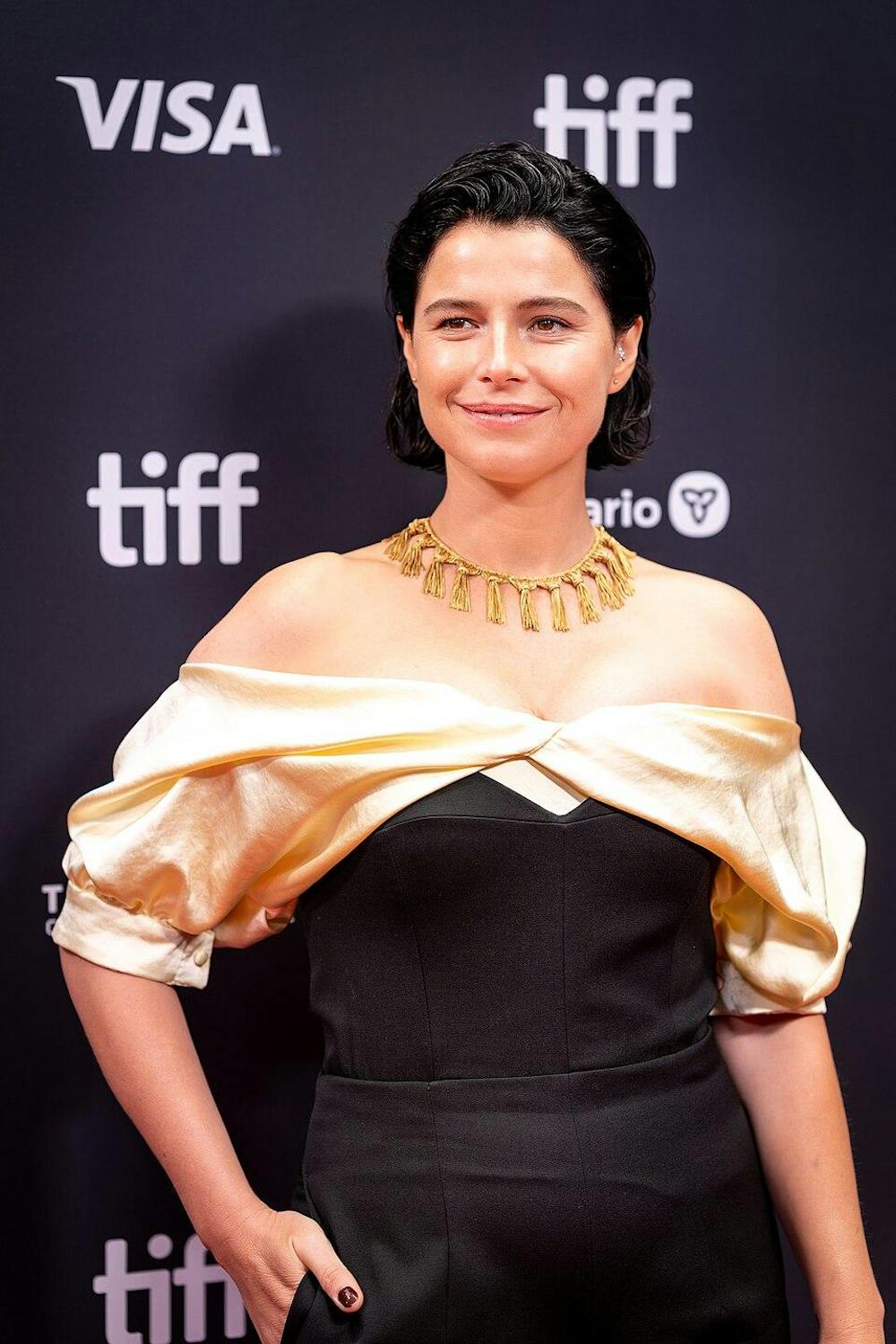
At the core of this chaos is the layered performance of the Bride herself, portrayed by Jessie Buckley. She first appears onscreen as Ida, one of many call girls keeping a room of drunken gangsters entertained for the night. The opening scene directly establishes the film's themes — Ida being toyed with as an object, a woman being grasped and mocked by men expecting her to obediently follow their demands. However, in a sudden moment, the tone of the scene shifts dramatically. Ida’s body starts to convulse and her speech becomes erratic as another presence overtakes her, the ghost of Mary Shelley herself. The scene abruptly cuts to black and white interludes of Shelley narrating beyond the grave, alluding that “something's cracking.” In this scene, the film explores the idea of a woman pushing back against the dominance that seeks to silence and control her.
After Ida’s death, she is resurrected as the Bride — or, as the film repeatedly calls it "reinvigorated." Christian Bale portrays Frankenstein's monster — named Frankie in the film — who demands that Dr. Euphronius, played by Annette Bening, create a companion for him after a century of isolation. Ida awakens with no memory of who she once was and is coaxed by the doctor that she is Frankie’s wife, Penelope. This premise raises the film's intentional questions of consent and autonomy. From the beginning, Penelope is apprehensive toward the relationship and throughout the film's progression she wavers — resisting at times then reluctantly giving in.
Arguably, this internal conflict should create the emotional core of the film. Instead, it quickly strays to an odd Bonnie-and-Clyde-esque storyline after Frankie commits murder to save Penelope, forcing the two on the run as fugitives. Their relationship also abruptly jumps from apprehension to partnership after Frankie saves her from an attempted assault outside a club. What follows — which should feel like a blossoming romance — acts as more of a narrative shortcut, mistaking proximity for intimacy. Movements that could have shown a gradual development of trust and vulnerability instead feel rushed, ushering the two into high-stakes situations that force them together without building an emotional foundation.
However, the film's theme of female autonomy remains clear even when the storytelling wavers. Gyllenhaal interprets monstrosity not through the grotesque bodies or the crystalline stained flesh of the dead, but through the deconstruction of power dynamics. Women in the world of “The Bride!” are punished for speaking out. This is exemplified by the mob boss who cuts out tongues of call girls who challenge him, literally silencing them to assert dominance. The resurrected form of Ida, the Bride, then becomes an image of resistance and rebellion.
Ironically, some of the film’s most obvious portrayals of female agency come from its supporting actors when it should come from the Bride herself. Myrna Malloy, a sharp detective — played by Penelope Cruz — is repeatedly undermined by her male colleagues despite her intelligence. Another example of this is Dr. Euphronious, a talented scientist who Frankie initially expected to be a man. In a world where men assume their incapabilities, both women assert their competence and authority.
As a result, this representation of female autonomy ultimately feels less radical than what was intended. Near the end of the film, the Bride — after figuring out Frankie lied about her identity — declares she is not Ida, not Penelope and not Frankenstein’s possession, just simply the Bride. The statement seems implied to be a monumental moment of reclaiming identity, but is executed without effective emotional buildup to carry its weight.
However, despite the narrative disarray, “The Bride!” persists as a visually and performatively captivating piece. Bale brings out a strangely gentle vulnerability to his monster, showcasing loneliness, awkwardness and a capacity for sudden gruesomely violent outbursts — most memorably when he curb stomped a man’s head. Buckley delivers a hauntingly entrancing performance, fully committing and executing the difficult shifts in identities — balancing all Ida, Penelope and Shelley.
The film is both fascinating and frustrating. The idea of reclaiming autonomy for the Bride beyond her original creation as an accessory is admirable. But the film’s central idea — exploring the Bride’s agency and desires — is often diluted by the abundance of competing creative directions Gyllenhaal incorporates. With the stylistic experimentation and converging story arcs, the emotional core gets lost in the pizazz.
Gyllenhaal fully committed to her vision, boldly allowing the film’s abundance of styles and ideas to remain unrestrained. This boldness is mirrored in Buckley's character, who resists being constrained by one singular identity. Whether the message of “The Bride!” says something new is uncertain — but it certainly resurrects the Bride from being buried in someone else’s story.
Read More
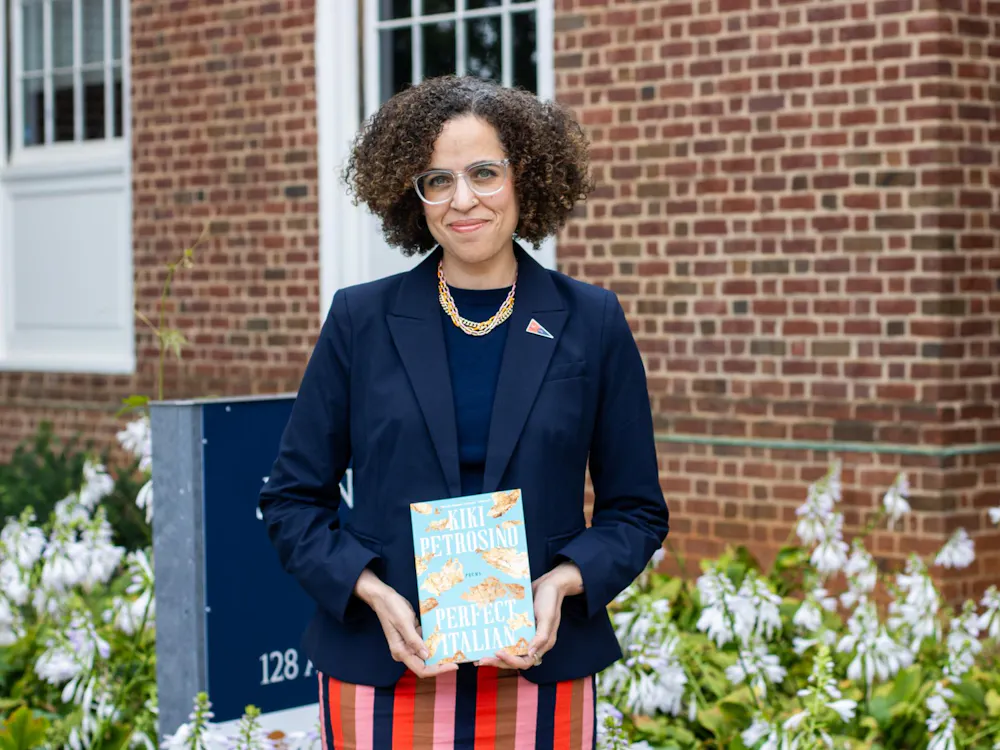
Professor Kiki Petrosino explores heritage, belonging and family in ‘Perfect Italian’
By Carly Smith | 2 days agoIn this work, Petrosino examines her own heritage and identity, using engaging yet deeply personal language, vivid imagery and carefully crafted syntax as ways to express her connection, and lack thereof, to her family’s history.

U.Va. Arts Welcome Picnic showcased the many ways to engage with art on Grounds
By Cece Sherman | 2 days agoUniversity creatives, student-led Contracted Independent Organizations and local organizations were welcomed by U.Va. Arts to the Betsy and John Casteen Arts Grounds Sunday for the annual Arts Welcome Picnic.

How generative AI is — and is not — affecting arts education
By Alena Touve | 2 days agoAs University arts professors begin teaching in the new semester, the industry-wide debate about AI’s role in art will frame how professors approach class discussions, assignments and preparing students for what awaits after graduation.