The Minions are one of the most beloved and recognizable cartoon characters in the world. The anthropomorphic capsule-shaped yellow creatures have captured the hearts of audiences since “Despicable Me” released in 2010. Since then, the franchise has expanded into seven feature-length movies, three of which have been prequels dedicated to uncovering the Minions’ backstories.
Animation studio Illumination released “Minions & Monsters” July 1, which revolves around an entirely new cast of Minions from those in any of the previous six movies. The story centers around James, an artistic Minion, who is uninterested in his species’ goal to chase down the most evil villain possible and serve under them.
Audiences could find themselves skeptical to tune in for a Minions movie that seems so far removed from the previous stories. The original trio of Minions — Bob, Kevin and Stuart, who were the primary characters of both previous “Minions” spin-off movies — was especially captivating in the first two prequels. However, “Minions & Monsters” was clearly a successful attempt to expand the “Despicable Me” cinematic universe by serving as a love letter to the history of filmmaking.
“Minions & Monsters” is set in Los Angeles during the 1920s — also known as the Golden Age of Hollywood, one characterized by the arrival of sound in film. Early in the first act, James’s tribe of Minions finds itself in the middle of a movie set after mistaking an actor portraying a bandit for an actual villain. From that point on, James realizes that he wants to become a movie director. After the Minions get fired from a film studio for being unable to speak English as the studio transitions to talking pictures, James becomes determined to win an Academy Award to prove himself as a director. He decides to make a monster movie, and his journey to direct the film makes several references to iconic films like “King Kong” and “Jaws,” allowing adults and children alike to enjoy references to movies from the past.
“Minions & Monsters” expands outside of filmmaking history by mentioning the women’s suffrage movement, which took place in the same time period as the rise of Hollywood. Suffragists serve as prominent background characters throughout the movie and even get the Minions to participate in a protest, both a humorous and elegant way to acknowledge a monumental point in history. Overall, the movie functions well as a period piece of the 1920s, doing so in a way that younger audiences would still understand.
Despite the many strengths of "Minions & Monsters," it fails to subvert the tropes of its medium. The twist that Goomi — a small green creature based on the Lovecraftian tentacled monster Cthulhu — was a hidden villain felt obvious from the start. This trope was executed much better in children’s movies like “Zootopia 2” and “Frozen” — movies that built suspense and intrigue among the characters themselves — making it clear that films within the same genre are able to implement this reveal more eloquently. The filmmaking plotline was more compelling than the monsters ever were, which makes the title of the movie somewhat disproportionate.
Although “Minions & Monsters” struggles with its monster-centric storyline, it makes up for tenfold in its animation. The movie begins with a charming montage of vintage films with Minions edited in, plus Minions animated in the iconic style of old Disney films. From the beginning, the movie felt refreshing compared to previous “Despicable Me” films, which eventually became repetitive with their constant depictions of villainry schemes.
Even though the “Despicable Me” universe is known for its mass-produced merchandise and internet memes, it is evident that extensive research and effort was put into the latest installment in the Minions franchise. "Minions & Monsters" is not a rushed cartoon to appease audiences wanting more Minions content, but an acknowledgement of film's history that has led to the point of modern entertainment.
Read More

On Repeat: Songs for summer’s final sunsets
By Eloise Diffley | 9 hours agoThese songs are perfect for soaking up the last few drops of summer sunshine and serve as a great soundtrack for the first few weeks back in Charlottesville.

Shaquille O’Neal as ‘DJ Diesel’ put on a performance for the people
By Alena Touve | YesterdayStudents were left talking about the set long after it ended, and echoes of “Shaq” could be heard throughout the crowd as students took their places at Scott Stadium.
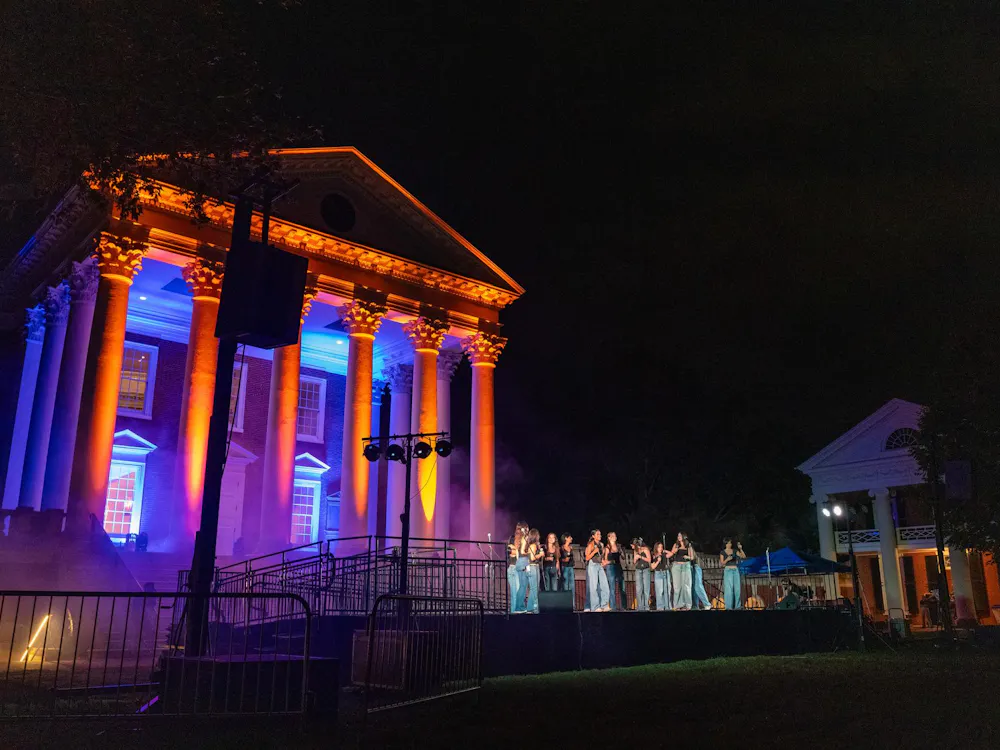
Rotunda Sing kicks off the semester with a celebration of a cappella and community
By Preet Manukonda | 2 days agoThe Lawn was filled with music and harmony Wednesday evening as 18 University a cappella groups took to the steps of the Rotunda.