Most of my earliest memories involve solving puzzles. From Rubik’s cubes to word searches, I’ve always been drawn to problem solving. As I grew older, I explored math, science and anything else that rewarded my curious mind. After high school, pursuing a career in engineering felt like a natural next step. But while I have always enjoyed designing technical solutions, my interests have never been singular.
Writing, for example, has always been a big part of me as well. Growing up, I would spend hours sprawled on my bedroom floor filling notebooks with the stories I wanted to read about and the ideas I wanted to express. Writing gave me a place to explore topics that didn’t fit anywhere else — developing them into arguments, stories and perspectives.
When I arrived as a wide-eyed first-year at the University, joining The Cavalier Daily was an obvious choice — I knew I wanted to keep writing. While the Engineering School kept me busy, there were ideas I wanted to discuss that didn’t fit into any problem set. I aimed to spark conversations about the cultural, social and academic dynamics shaping life on Grounds. I was thrilled to join the Life desk, turning my private hobby into something that would reach and influence other people.
But it was intimidating, walking into a space where I was one of very few engineers. While most people were writing essays and analyzing readings for their coursework, I was tackling equations and writing code. When I joined the paper, being surrounded by people who were formally studying writing made me doubt whether I had a real perspective to offer.
And on the other side, my engineering friends questioned why I was spending time on a newspaper when I could be sharpening my technical skills. In engineering spaces, writing was treated as something that only required enough competency to get by — not a skill to actively improve and cultivate. Doing so, it seemed, would have been a waste of energy.
This tension left me feeling like I was caught between my two interests, yet not skilled enough for either — too inexperienced to be a writer and not focused enough to be a dedicated engineer.
Despite these anxieties, I stuck with it anyway. Writing gives me a voice for the topics that matter to me, and through interviews conducted for The Cavalier Daily, I found that my perspectives resonated with others more than I expected. It is meaningful to connect with people through my words, and writing makes me more confident in my ideas and my ability to express them.
When internship recruitment season came around, I threw myself into the application process. I spent several nights filling out applications, updating my resume and trying to present myself in a way that felt competitive amongst large applicant pools of computer science majors. Surrounded by peers with personal projects and part-time jobs that seemed directly connected to the roles we were applying for, my resume felt thin.
Applications turned to interviews, and recruiters started asking me to elaborate on the experiences listed on my resume. When asked about my extracurricular activities, I nervously listed writing for The Cavalier Daily. I was surprised when interviewers seemed genuinely interested, asking follow-up questions about why I liked to write and what my experience looked like. Some even mentioned that writing was a core part of the role, and that having a candidate who could communicate clearly was something they didn't take for granted.
While I had been worried about competing with ultra-technical candidates, these conversations made me realize that the skill I had initially accepted to be a waste is what would actually set me apart. Employers weren’t just interested in whether I could complete technical tasks well, but also cared about whether I could communicate my thoughts effectively to other people — a skill that writing had helped me cultivate. I began to view my passion for writing as not just an extracurricular interest, but also a practical skill that would help me move further professionally.
Those conversations stayed with me after the interviews ended as I started to reflect on how much of my own growth had come from writing. I was reminded that writing is special, even as it starts to look different with the world turning to new technology. In engineering especially, students increasingly turn to artificial intelligence to write, debug and solve tasks that formerly required manual effort.
Yet, the process of developing an idea on a page and in conversation is something AI cannot replicate — it requires comparing, critiquing and truly understanding new ideas. Beyond forcing you to slow down and articulate your thoughts more clearly, it also pushes you to fully develop them, to question your assumptions and confront the gaps in your reasoning. These skills can benefit even those pursuing technical degrees. Whether it’s justifying a complex design decision or documenting a process for future engineers, strong communication skills are the foundation of it all.
There is something inherently personal about choosing the right word, reshaping a sentence or conveying a feeling that comes from lived experiences instead of pregenerated patterns. Even in engineering, I’ve found that writing has helped me to reflect, communicate and engage with ideas more deeply.
That same attention has carried over to how I approach my work as an engineering student. Whether I am documenting a project or explaining a technical process, I’m able to express myself and thoughts with more precise language. Writing has also influenced the way I solve problems — I can naturally consider different perspectives and critique my own ideas, before settling on a solution.
Pursuing interests outside of the classroom doesn't necessarily have to feel like a distraction. The skills that are developed through individual interest can meaningfully shape how we learn, work and connect with others — encouraging new ways of thinking. As both an engineer and a writer, I have come to believe that both are necessary. Writing has pushed me to think differently and connect with people in a way that engineering alone never could. While it can be easy to be put into a box, being more than one thing is not only more interesting, but more human as well.

Aditi Burra is a staff writer on the life desk. She is a second-year Engineering student, majoring in computer science and minoring in engineering business. Aditi is from Fairfax, Va. and she enjoys writing about student life and well-being. Outside of The Cavalier Daily, Aditi is involved in Women in Computing Sciences and the Indian Student Association.
Read More

Sarah Deloney’s path to — and from — her diagnosis
By Astrid Cheng | YesterdayAfter three years of persistent pain, Deloney was finally able to find an answer — Nutcracker Syndrome.
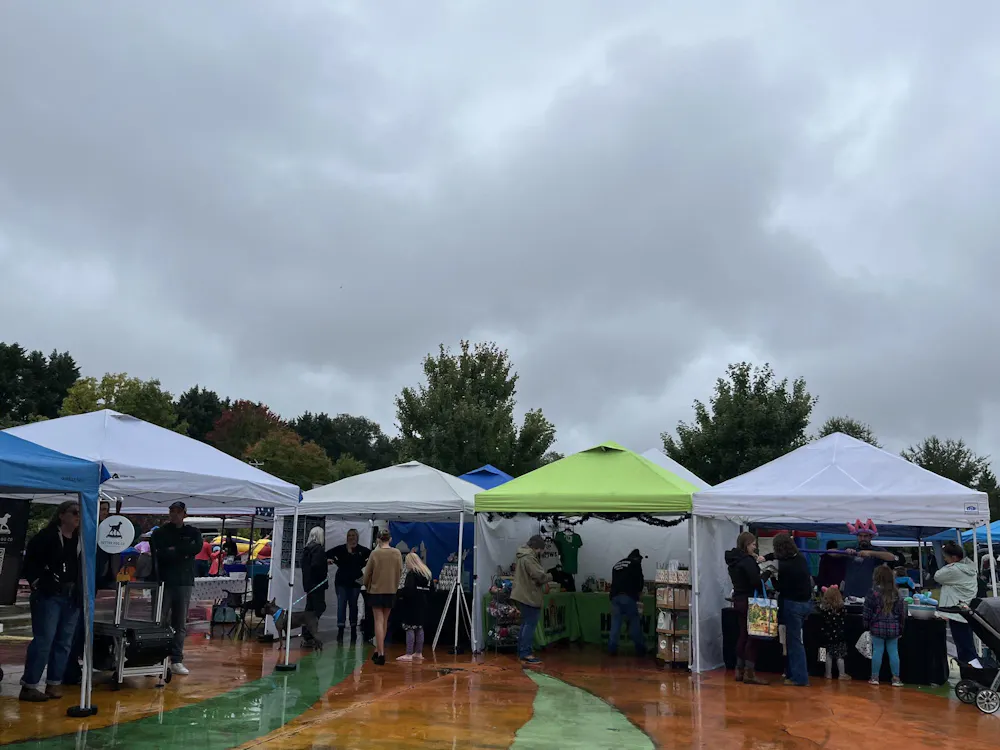
Animal lovers come together at Charlottesville-Albemarle SPCA’s third annual Fall Fest
By Lily Notter | YesterdayFall Fest is the CASPCA’s largest adoption event of the year.

No diet, no glory: My complicated relationship with dieting and eating
By Phoenix Banks | 2 days agoMy weight and what I was going to do about it have been a topic of conversation my entire life.