News
U.Va. leaders react to Beardsley’s presidential appointment
By Grace Little | December 20, 2025A common theme among reactions gathered was frustration with the Board’s timing.

A common theme among reactions gathered was frustration with the Board’s timing.

The University admitted 1,225 students Friday from a pool of 5,108 applicants, yielding an acceptance rate of 23 percent for in-state applicants and 25 percent for out-of-state applicants.

Beardsley was chosen out of four finalist candidates
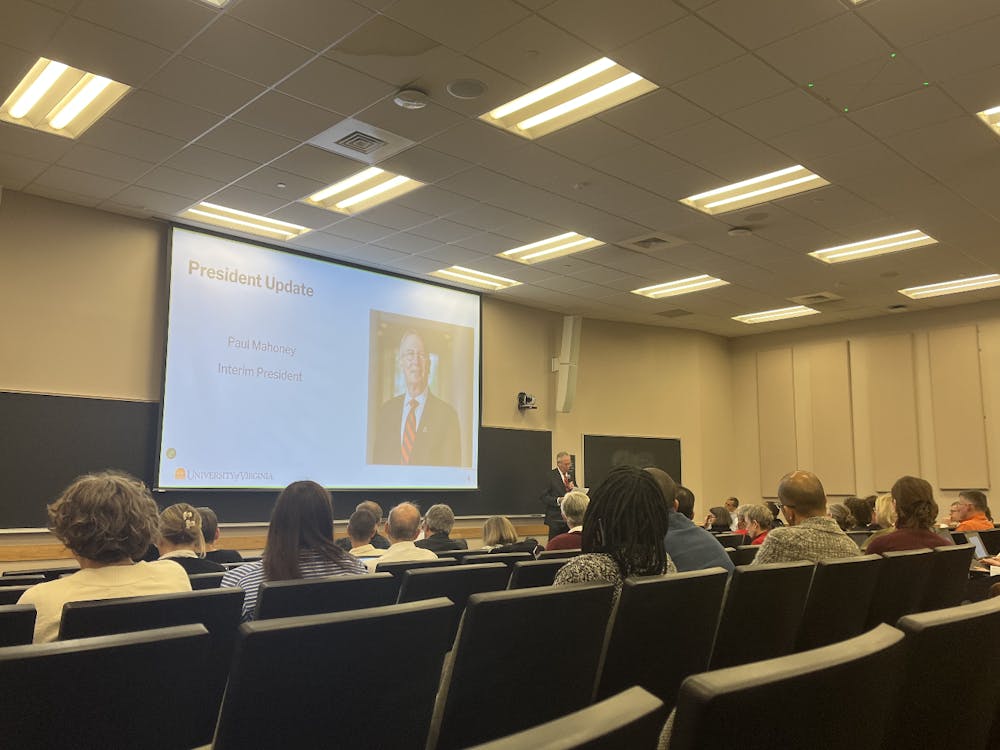
Two additional discussions focused on the extension of the Representation and Governance committee — a temporary committee established in Spring 2025 — and a new course materials platform the University plans to introduce, titled One Access.

Mahoney hailed the agreement as “a great win for the Commonwealth” and for the University despite multiple senators having expressed discontent with the agreement through letters sent to the University.
The Finance Committee is responsible for the University’s financial affairs and business operations, managing the budget, tuition and student fees.
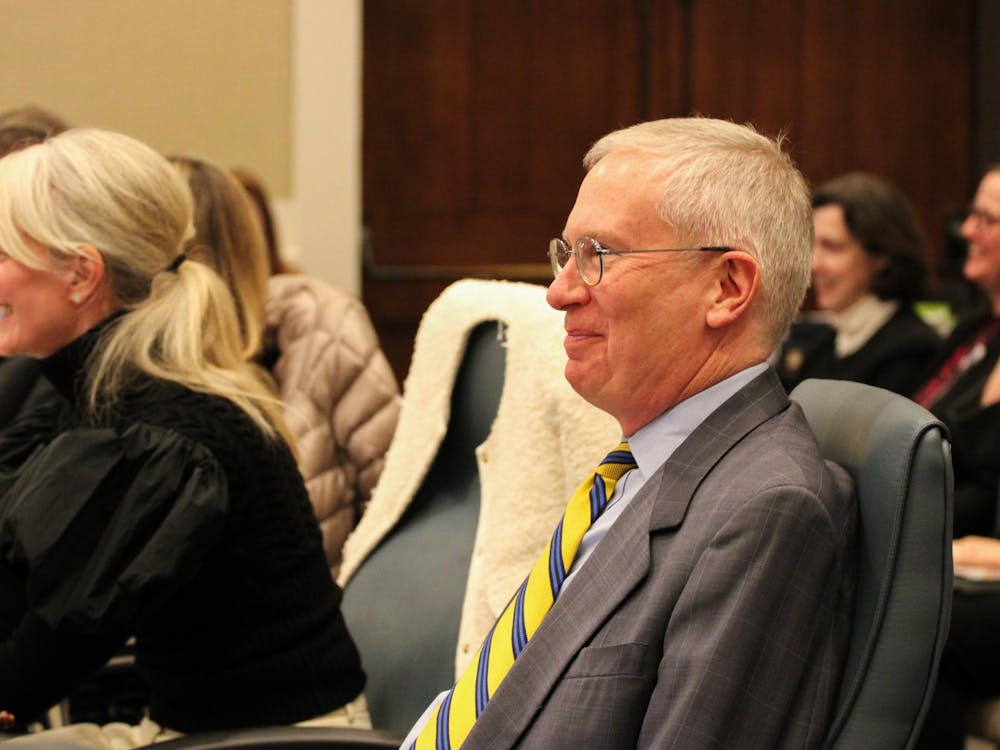
Sheridan said that since signing the Justice Department agreement, the University has seen a “dramatic rise in divisive politics."
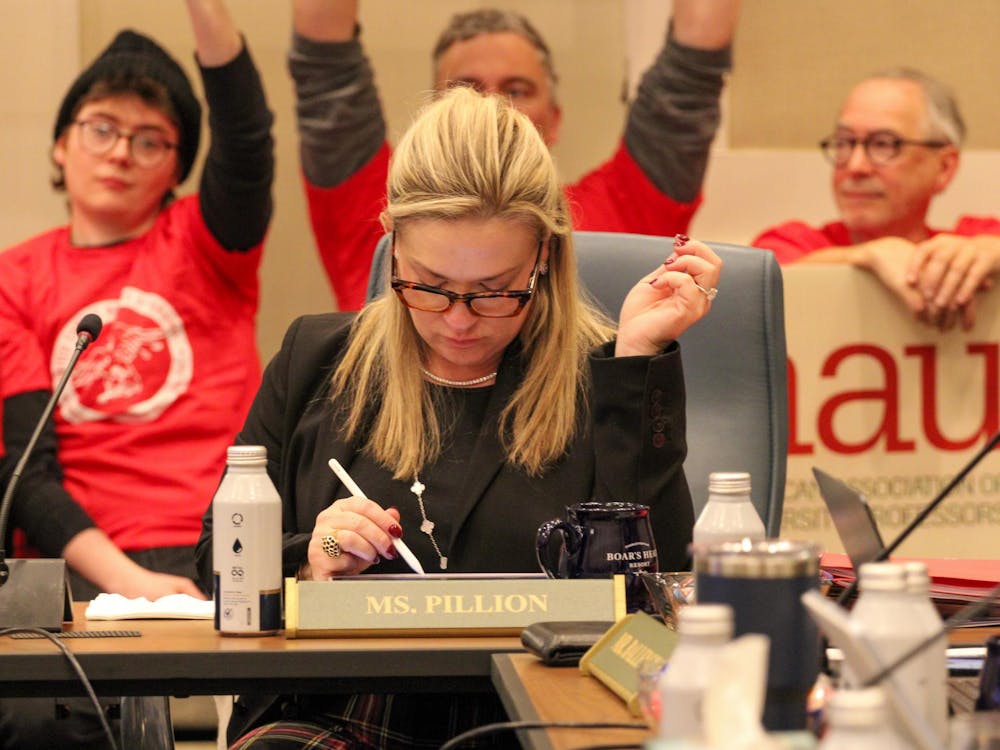
The Board approved two new master's programs for the College at Wise — the Master of Technology Management and Data Analysis and the Master of Science in Nursing with a focus on Family Nurse Practitioners.
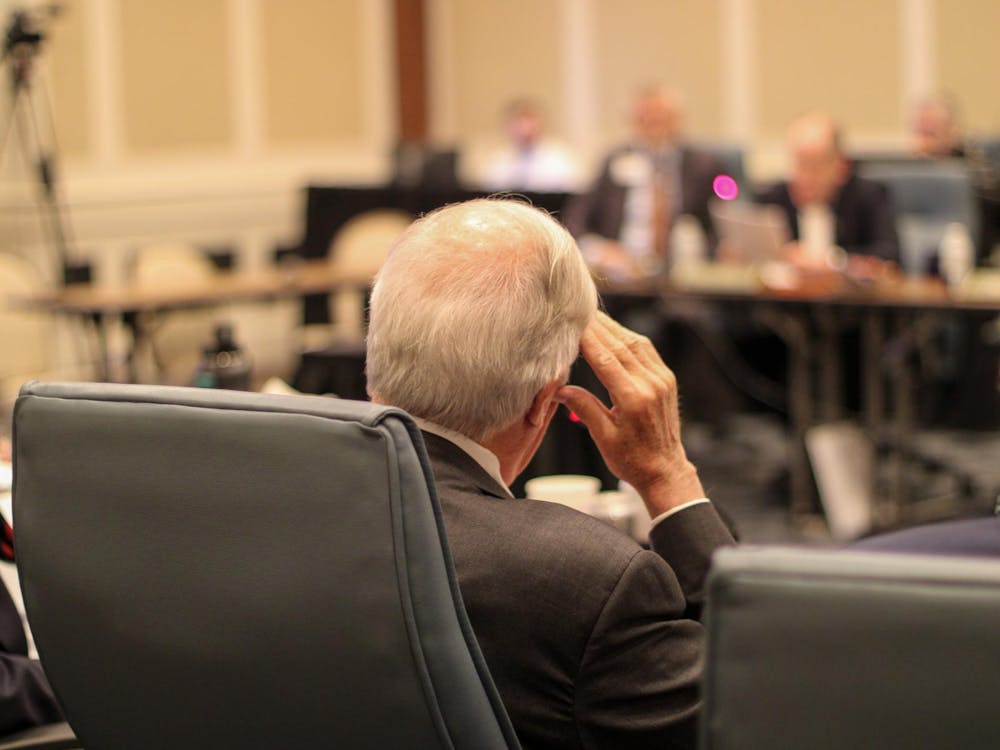
The Board of Visitors Audit, Compliance and Risk Committee announced Friday that the University received an unmodified, or “clean”, audit opinion for fiscal year 2025, formally closing out a three-year process to resolve a material weakness in the University’s financial reporting

The Advancement Committee is responsible for fundraising campaigns, alumni affairs and public communications.

The Academic and Student Life Committee oversees University operations connected to student affairs, including athletics, safety, residential life and dining.

The fallout of federal cuts to lab funding, along with ensuing cuts and reorganizations of funding institutions more broadly, materializes in frozen grant money and unreviewed grants without future scheduled review dates.
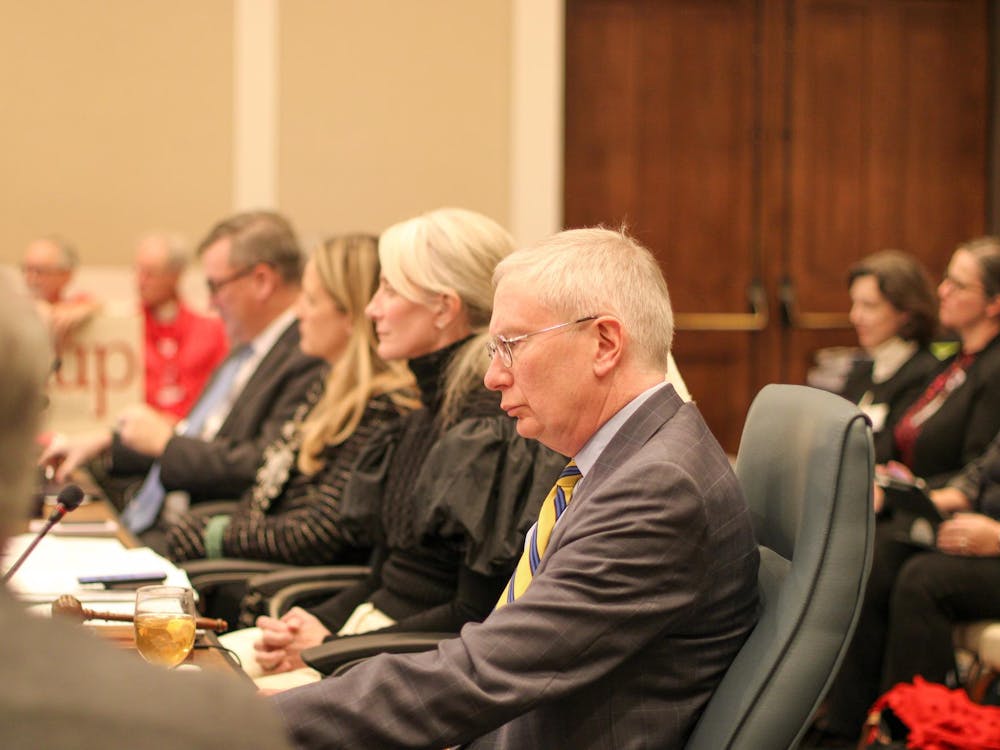
The Board of Visitors Buildings and Grounds Committee met Thursday to approve an addition to the Major Capital Plan — the Steele Wing Renovation in the West Complex following interior flooding in April.

Although the University’s ranking dropped by 20 spots, FIRE included it within a group of schools the organization said have consistently fostered an environment conducive to protecting free expression.

In a statement to The Cavalier Daily, University Spokesperson Bethanie Glover said that the venue change was made to “minimize disruption” to the Lawn and the Rotunda during stage preparations for Lighting of the Lawn.
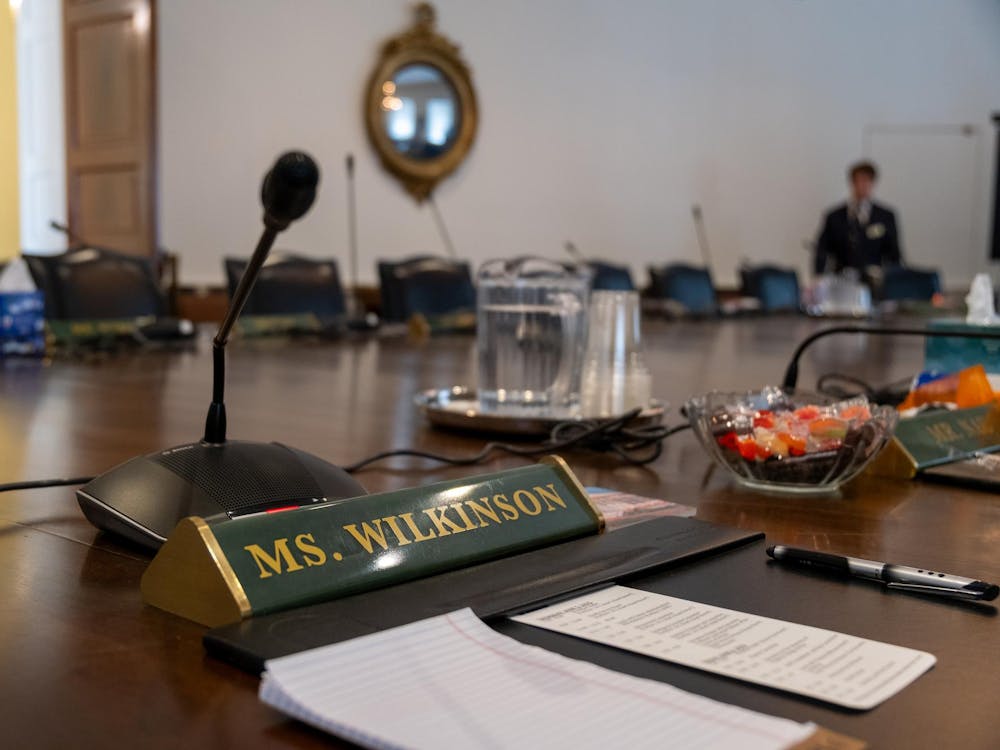
Sources qualified the search or elements of the search as “highly unusual” in large part because of the actions of Porter Wilkinson, who was at the time a member of the Board of Visitors and is now vice rector.
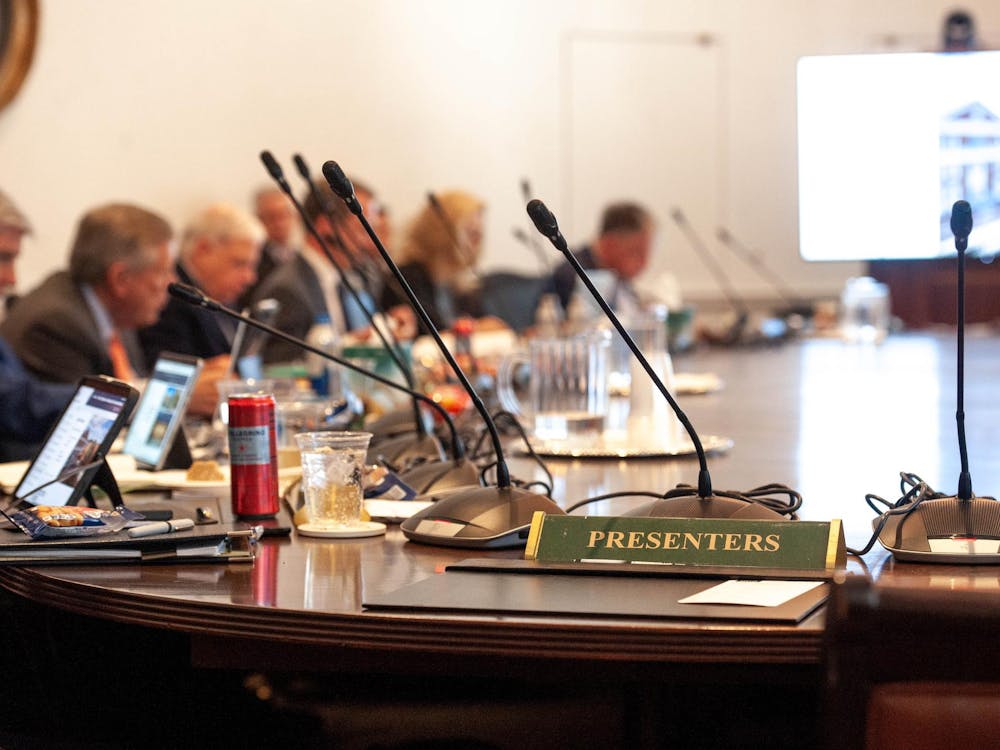
This week’s meetings will be the Board’s final gathering before Gov.-elect Abigail Spanberger takes office in January.
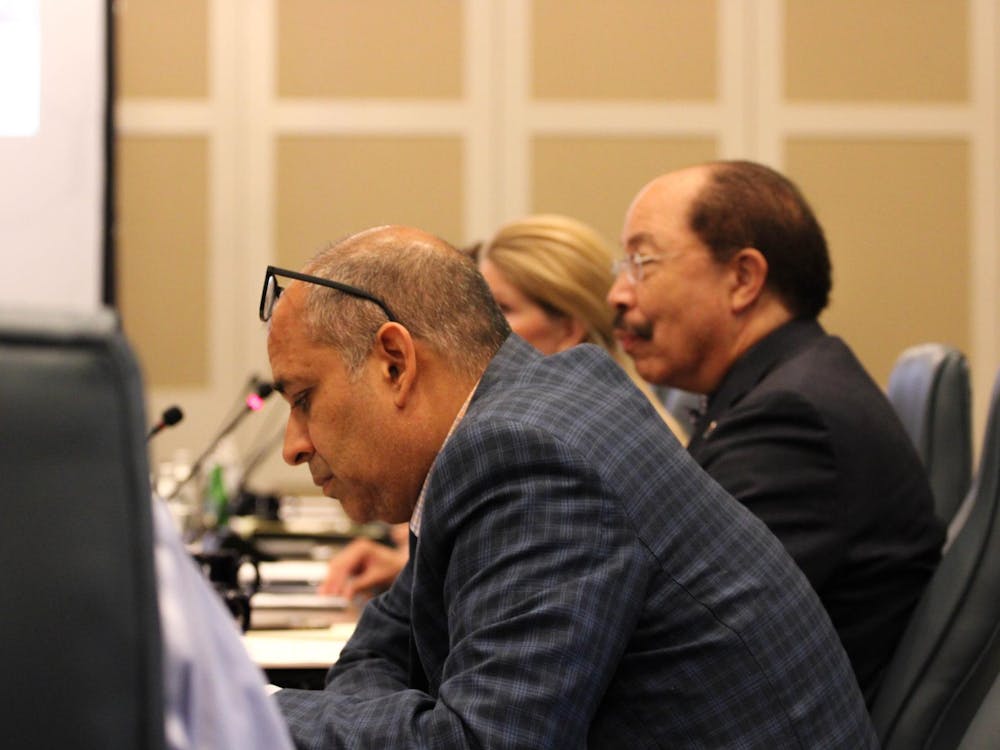
The deans said that naming a president should be paused until the Board can establish the “conditions of trust” necessary for the next president to succeed.

The presidential search committee and the University’s external search firm announced Friday that the search would continue, despite a Faculty Senate resolution passed Nov. 14 which called for a pause.
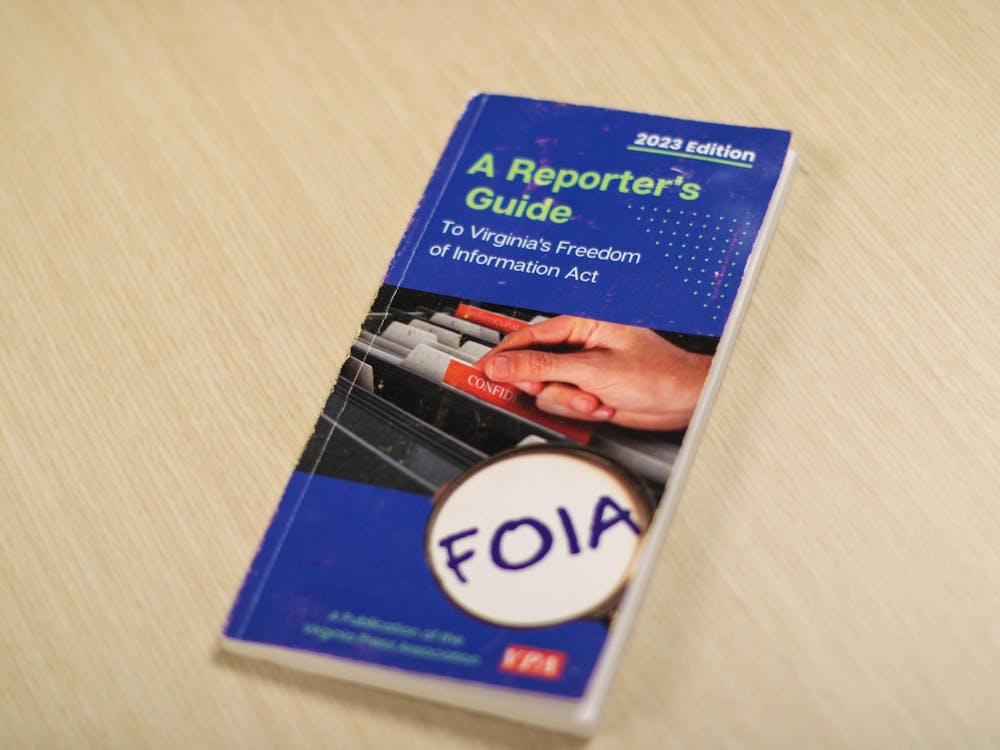
Assoc. Sociology Prof. Ian Mullins acknowledged that FOIA can be a powerful tool for researchers and journalists, but claimed that some organizations and individuals use it as an intimidation tactic.