University students awarded in NASA’s 2020 BIG Idea Challenge
By Samuel Opuni | March 22, 2021The team project focused on powering devices in dark areas on the moon that receive no sunlight by using lasers to transmit energy to rovers.
The team project focused on powering devices in dark areas on the moon that receive no sunlight by using lasers to transmit energy to rovers.
A select number of mutations are advantageous to the virus and increase the virus’s fitness, allowing it to spread more quickly amongst the population they infect.
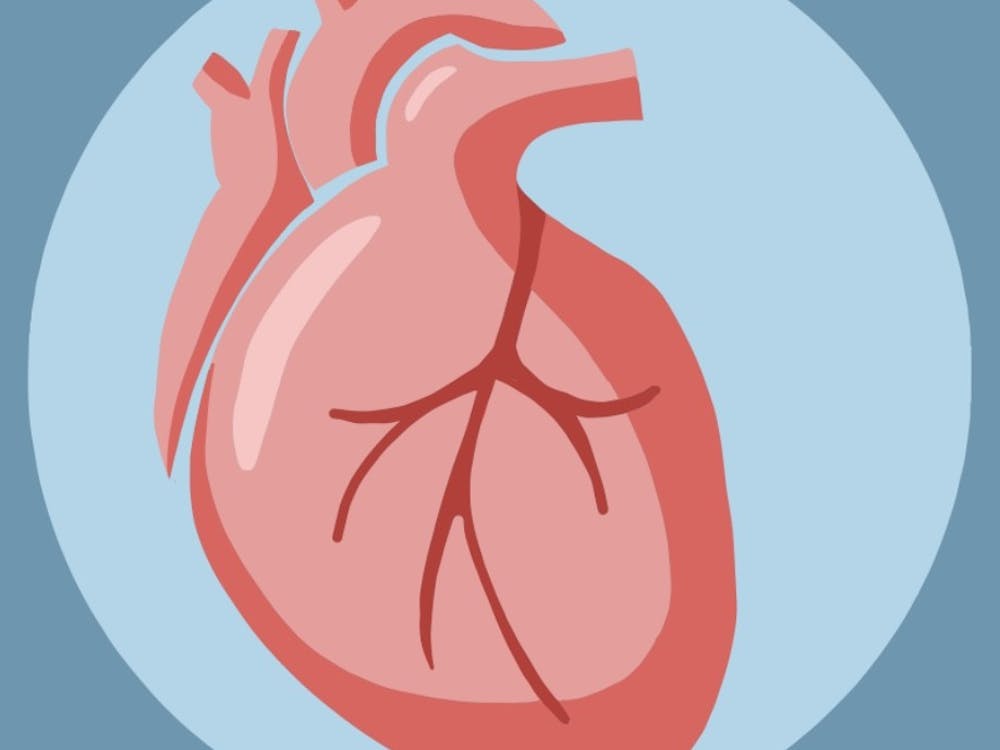
A new device developed by two heart device manufacturers — called the interatrial shunt — is currently being tested in clinical trials at several sites nationwide, including at U.Va. Health. If the results of the trial prove promising, these devices could help ease symptoms in heart failure patients and increase their quality of life.
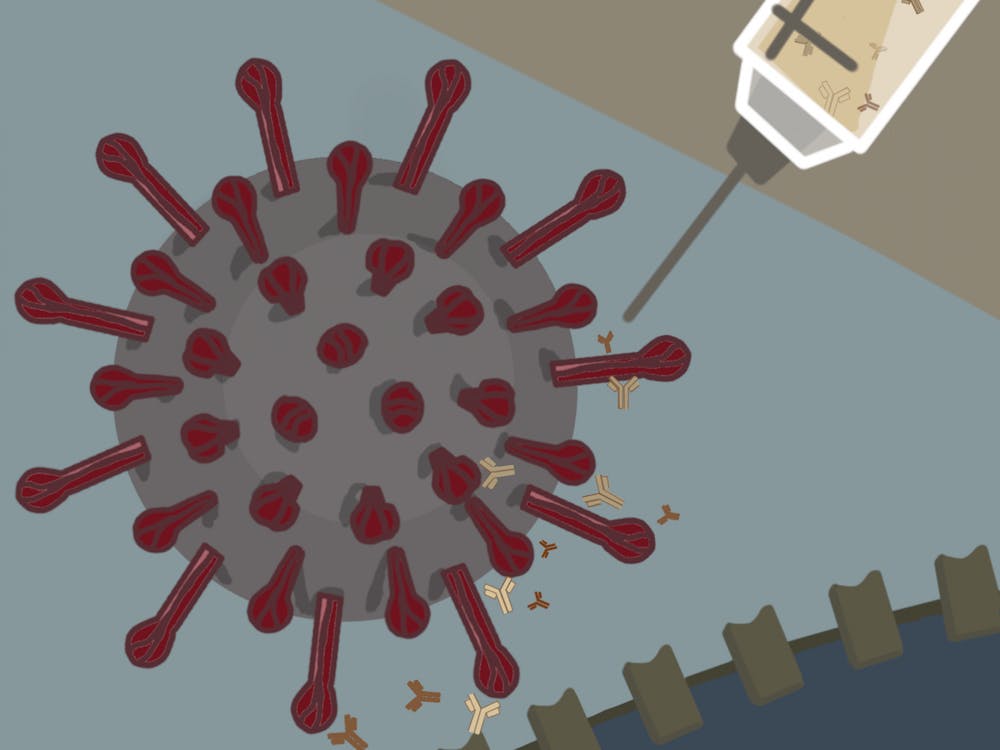
U.Va. Health is participating in clinical trials to test an antibody cocktail which is showing to providing short-term immunity against symptomatic COVID-19 infections.
Because of the public’s continued false perception, non-smokers with lung cancer face increasing stigma.
With a limited supply of vaccine doses, health officials must prioritize recipients to ensure the most at-risk and essential workers are receiving vaccinations.
Cyber-physical systems are real-world machines and systems, and attacks against them could range from changing readings and data to taking control of entire vehicles.
A report by the Weldon Cooper Center at the University shows that with integrated planning and cooperative policy, decarbonization of the Virginia economy by 2050 is both achievable and affordable.
U.Va. Health researchers have created a software that uses AI to estimate a patient's relative risk by combining physiological data from thousands of previous patients with a current patient's physiological state.
In Virginia, populations 70 years or older make up 27 percent of those who have received one dose. Of the 66 percent of vaccinations that report race or ethnicity of the recipient, 28 percent have gone to people of color.
Vaccination efforts have already been happening for over 6 weeks in the BRHD, which is now vaccinating individuals in phases 1a and 1b.
The panel discussed the influence of systemic racism on food accessibility and farm working conditions while urging the public to become more involved in food-related policy, especially in the Charlottesville community.
University researchers have developed a more progressive management program for patients with type 2 diabetes — one that promotes patient empowerment.
Since the start of the pandemic, systemic health inequalities have caused marginalized communities to experience higher risk of contracting COVID-19 and worse outcomes.
While Virginia’s rate of food insecurity is estimated to sit around 11.9 percent, Charlottesville faces a rate of 17.5 percent.
Local resources U.Va. Latino Health Initiative and Sin Barreras pursue health promotion and disease prevention across the Charlottesville Latinx population.
Only about a quarter of the 285,725 vaccines the Commonwealth received have been recorded as administered as of Jan. 12, affecting statewide and U.Va. Health staff.
The study revealed that almost half of the genes with a known association to coronary artery disease risk are functioning in the vessel wall by affecting individuals’ muscle cell function.
Upon receiving a grant from the NIH and joining a national consortium of research institutions, University researchers are taking part in an unprecedented research project centered around the biological effects of exercise.
In comparing Fluvoxamine with a placebo, researchers found that of the 80 participants that received Fluvoxamine, none of them became seriously ill during the trial. Of the patients that received the placebo, six patients became seriously ill and four were hospitalized.