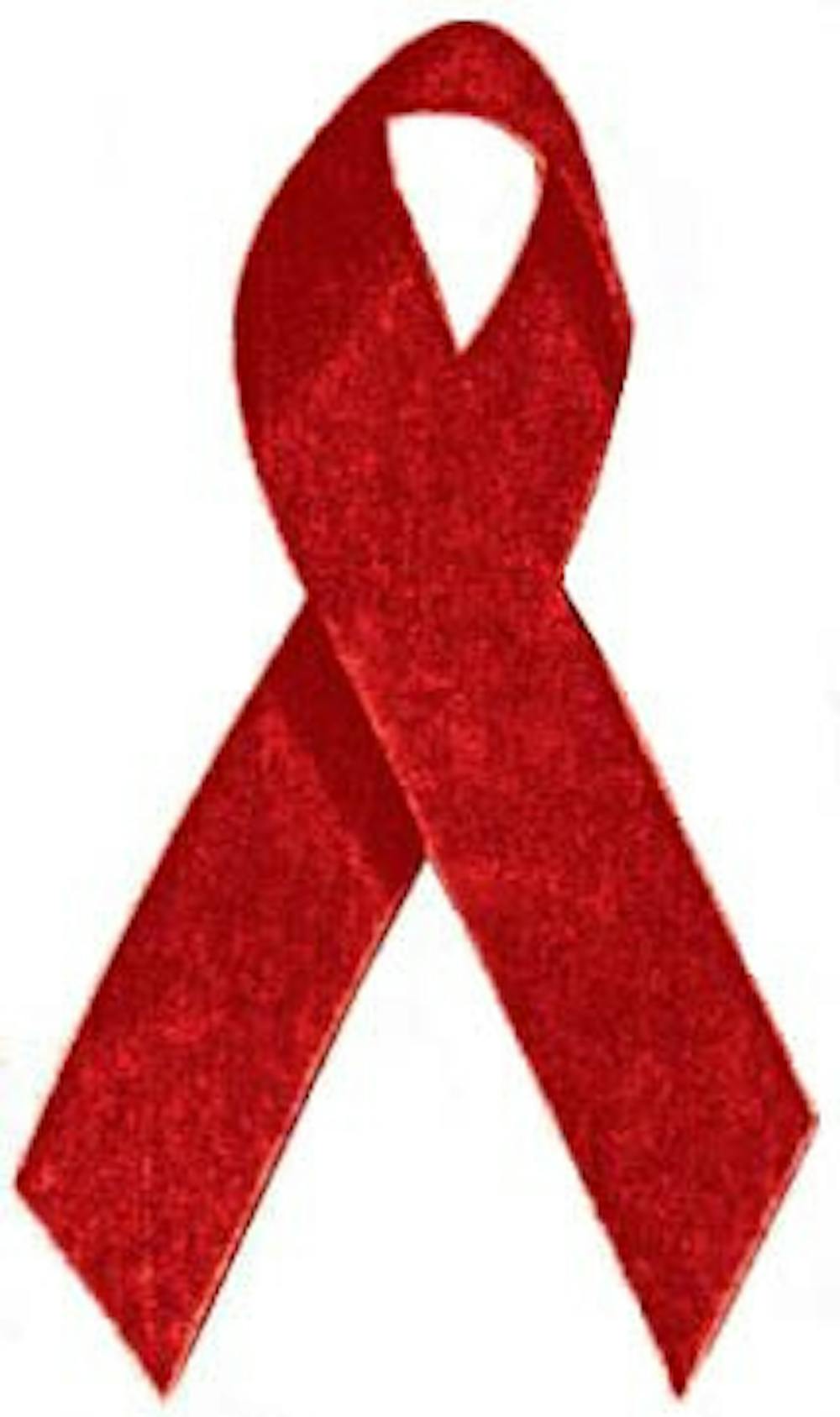
Every year, Dec. 1 is World AIDS Day, a day for increasing global awareness of HIV/AIDS. Currently there are about 33.4 million people globally with the human immunodeficiency virus infection/acquired immunodeficiency syndrome, and more than 1 million living with it in the United States.
The Centers for Disease Control and Prevention reports that about 1 in 5 people with the disease “are unaware of their infection.”
HIV/AIDS is a human immune system disease for which there are multiple treatment techniques but no current cures. The disease is generally transmitted through sexual intercourse but can be contracted through many other forms of fluid transmission, such as infected blood transfusions or the sharing of hypodermic needles.
World AIDS Day hopes to prevent the contraction of HIV/AIDS by increasing awareness, especially in Third-World countries, and raising money for research. “World AIDS day is important as it reminds the public and government that HIV has not gone away — there is still a vital need to raise money, increase awareness, fight prejudice and improve education,” according to the UK organization’s website.
The University Health System, along with the Ryan White HIV clinic took part in this year’s campaign — delayed a few days — by offering free HIV testing in the hospital Monday.
In addition to being free, the tests were confidential and, most importantly, came with a fast response time. The rapid response HIV tests return results in about 20 minutes, allowing earlier diagnosis and quicker treatment. Though advances have been made to help patients live longer, fuller lives, the battle is not over. It is important to spread awareness and stay informed. The next official day of action is National Black HIV/AIDS Awareness Day Feb. 7.
Read More

U.Va. experts warn against emerging substances kratom, cychlorphine
By Michael Racz | 4 days agoIn the wake of recent deaths at the University of Mississippi, as well as suspicions surrounding the presence of the potent synthetic opioid cychlorphine in the drug supply, University officials, medical leaders and student organizations across the country have begun urging students to exercise increased caution around controlled substances.

How will upcoming Medicaid changes affect University students?
By Michael Racz | 5 days agoNew federal Medicaid work requirements set to go into effect Jan.1 under the One Big Beautiful Bill Act could affect University students’ eligibility for Medicaid.

U.Va. Health cuts scribe hours as AI documentation tools expand across Health System
By Vrinda Vashisht | October 1, 2026Scribes in the undergraduate medical scribe program said in interviews with The Cavalier Daily that a new emergency department schedule that began Sept. 15 has reduced or eliminated certain scribe shifts and has decreased scribe availability to clinicians in the Emergency Department.