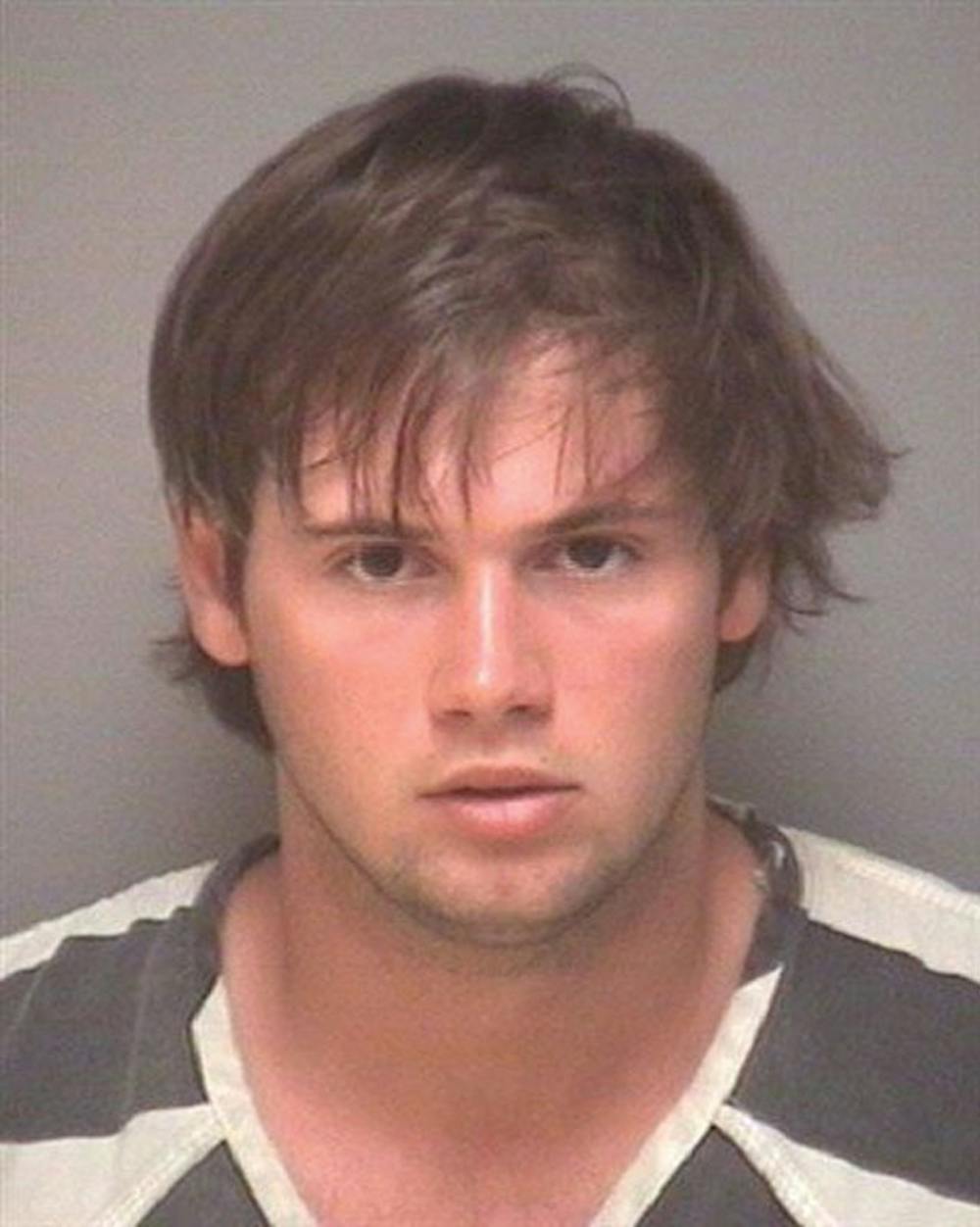
The Charlottesville Circuit Court held a hearing on former University student George Huguely’s petition for habeas corpus, or unlawful imprisonment, March 30.
In 2012, Huguely was convicted for the second-degree murder of his ex-girlfriend and University student Yeardley Love in 2010. He is currently serving a 23-year sentence.
Jonathan Sheldon — Huguely’s current attorney — filed the writ of habeas corpus in January on the grounds that Huguely had been deprived of a fair trial due to ineffective legal representation.
Judge Richard Moore ruled that Huguely’s former attorneys could make statements in response to Huguely’s allegations of ineffective representation and break their attorney-client privilege with Huguely, according to The Daily Progress.
Additionally, Moore said both sides could contact former jurors involved with the 2012 trial. However, the private information of each juror will remain under seal, The Daily Progress reports.
Huguely was not present at the hearing, The Daily Progress reports.
The next motions hearing in the case will be April 7.
Tim Dodson is the Editor-in-Chief of The Cavalier Daily. Prior to this, he was the paper's Managing Editor. He also works as a news anchor at WCHV and has interned at Charlottesville Tomorrow.
Read More
From the Archives: 1990s
By Tori Vonderheid and Livia Shrednick | 5 hours agoUniversity physician Dr. Joel Trugman discovered that some children who had been diagnosed with cerebral palsy, an incurable movement disorder, instead have a rare biochemical disorder that is treatable.

New Education Department letter urges university reforms — U.Va. professors weigh in
By Grace Little | 3 days agoThe letter called on all postsecondary institutions to issue statements of allegiance to its educational mission and address questions regarding fair admissions criteria, open discourse, intellectual pluralism and affordability.

Amid pushback, City Council budgets $4 million toward encampment removal efforts
By Luca Bailey | 4 days agoThe Council also received a status update on the City’s efforts to clear the area.