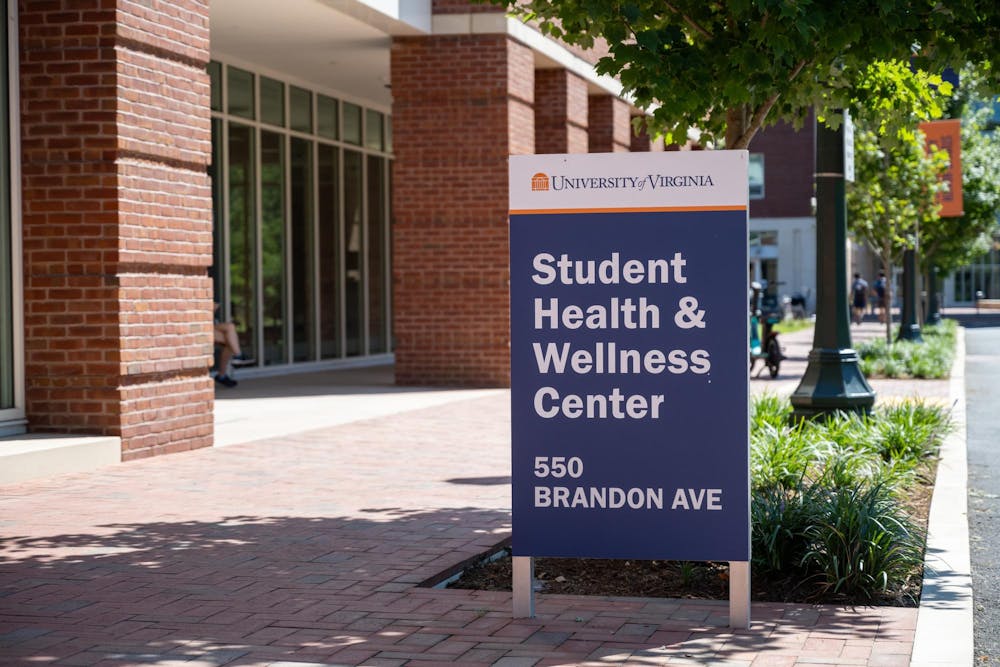
To many students, the Student Health & Wellness pharmacy is the go-to locale for inexpensive over-the-counter medications and prescriptions to pick up between classes. Now, there is a new benefit. As of Jan. 21, Student Council has launched a pilot program offering free generic Plan B to all students at SHW Pharmacy.
Formally announced in October, Student Council is covering the cost of one dosage of generic Plan B, an oral form of emergency contraception, for all students this semester. Also known as the “morning after pill,” Plan B is an over-the-counter form of emergency contraception specific to prevention of pregnancy after unprotected sex. The active drug within this medication and its generic counterparts is levonorgestrel — a synthetic progestin hormone similar to progesterone. Levonorgestrel regulates the menstrual cycle to minimize the chance of pregnancy by potentially 90 percent.
The program is spear-headed by Student Council’s Safety and Wellness agency. Led by co-chairs, fourth-year College student Shivangi Singh and third-year College student Rea Pillai, the Safety and Wellness agency is a group responsible for advocacy and access initiatives in healthcare. Similar to the agency’s free STI screenings, introduced as a pilot program in Fall 2023, the Plan B initiative maintains a focus on reproductive healthcare for students. According to the co-chairs, the Plan B initiative came to fruition after a semester's worth of collaboration between the Student Council and medical personnel at SHW.
The primary goal of the Plan B initiative is to increase the access and availability of emergency contraception to students on Grounds. By eliminating the cost, Plan B will be less stressful to acquire for students in need of emergency contraception. Working alongside Student Council in these efforts is Chief Medical Officer Dr. Meredith Hayden and Danielle D'Andrea, Director for Marketing and Communications at SHW.
“The goal is to increase access to emergency contraception by eliminating cost barriers,” D’Andrea said in an email to The Cavalier Daily. “For some students, even a lower-cost option can be difficult to afford, so offering a free alternative ensures they can access timely care when they need it most.”
This cost barrier can be a driving factor behind students choosing to forgo contraceptive action. Prior to the pilot program, SHW sold emergency contraception for $9.26. Other locations close to Grounds, such as CVS on University Ave., sell Plan B and similar alternatives that cost between $34.99 and $59.99 before taxes. At Harris Teeter, the closest grocery store for many students at the University, Plan B costs $49.99 pre-tax.
Cost is not the only barrier to efficiently purchasing Plan B. The medication is often placed in a lockbox at local pharmacies, which can create unwanted additional interactions at the counter during what is regarded for many to be a personal purchase, according to a third-year College student who asked to remain anonymous to speak freely about their experience purchasing Plan B.
During their experience purchasing Plan B — outside of this pilot program — the student found that the supply was placed inside a lockbox, requiring additional procedures and interactions in the check-out process to get access. To them, the high price not only hurt their wallet, but brought substantially more attention to their personal purchase.
“I feel like it shouldn't be so expensive that it needs to be locked up,” the student said. “I remember feeling embarrassed, edging toward [being] ashamed … I do remember just thinking … [emergency contraception] should be more accessible. It shouldn't be this much of a fuss.”
Another aspect to the Council’s pilot program is its added protection of anonymity, saving students from having their name tied to a purchase of Plan B. With typical credit card transactions, biographical information and data about the customer are made available to sellers. This pilot program eliminates that risk for those in need of emergency contraception, as no credit card is required for acquisition.
“Even when you are paying for [Plan B] with your credit card, it's not anonymous,” Singh said. “It's going into a system. But with this, you can just get it. There's nothing [tracked] and there's no measures.”
Not only is there no digital pay trail, but the SHW does not ask for any information, not even a name, at the checkout counter when a student comes to get an emergency contraceptive. Throughout the entire process, Student Council and SHW hope to ensure students feel as comfortable as possible when getting Plan B when it is necessary.
“A lot of students don't want to deal with the bureaucratic measures,” Pillai said. “So just being a little bit more anonymized when it comes to accessing those resources can be really helpful, especially if there's any prevalent stigma that may exist when it comes … to emergency contraception.”
To ensure each user is properly informed, each Plan B distributed from SHW will come with a comprehensive pamphlet on contraceptive counseling, long-acting contraceptive options and other reproductive health resources. With more information given to students, D’Andrea believes that this will empower them to make the right choices for their own bodies.
“We consistently find that access to clear, accurate information empowers students,” D’Andrea said. “When students understand how emergency contraception works, when to use it, and what their broader contraceptive options are, they feel more confident making choices that align with their own health goals.”
While there are comprehensive new measures surrounding the initiative, according to the anonymous student, there are still areas in which SHW and Student Council can improve the initiative. However, the student said they appreciate the effort made to ensure accessibility when students need to acquire emergency contraception.
“Student Health & Wellness doesn't have self-checkout, so there is still a fact that you have to interact with someone, which for some people might be nerve racking,” the student said. “However … I do think it's better than having to go to the grocery store and ask someone to unlock it. It's a lot more accessible, which I think should be the goal.”
Despite the high level of access and support this initiative provides for students, it remains unclear whether the Plan B initiative will continue long-term. Being a pilot program, the free Plan B is not confirmed to continue in future semesters. At this stage, Student Council has only approved and set aside $5,000 for the initiative, covering over 800 doses, according to the co-chairs. Singh and Pillai noted that future funding for the program is contingent on students taking advantage of the service.
“When it comes to Plan B, we're just trying to garner the interest [students have],” Pillai said. “If we see that the funds are being used, then we hope to make it a consistent program, so that students feel supported throughout the academic years.”
According to the co-chairs, the program has created a positive change by helping Plan B access be more broadly accepted as a form of healthcare. To them, this change matters regardless of whether this program continues. Thanks to the attention and support for this program, they hope that more students in need of reproductive healthcare will be able to access these resources.
“I think a part of the reason why we've had so much support is because there's been a need for [emergency contraception] consistently,” Pillai said. “People have paid attention to that, and now that there's a way to gain access to this healthcare resource.”
Read More

Play the organ
By Elizabeth Adams | 7 hours agoThe college side quest does not need to be the multi-semester jaunt that my organ adventure has become, and it certainly doesn’t have to make sense.

Girls Who Lift brings gender inclusivity to the gym
By Sadie Adams | YesterdayBy providing this safe space in the gym, Girls Who Lift encourages more women to take up weightlifting as a hobby.

Cville Sabroso Festival brings a taste of Latin American cultures to the Ting Pavilion
By Summer Hoffman | 3 days agoInside the Ting Pavilion, a sea of Latin American artisans, food vendors and performers greeted festivalgoers.