
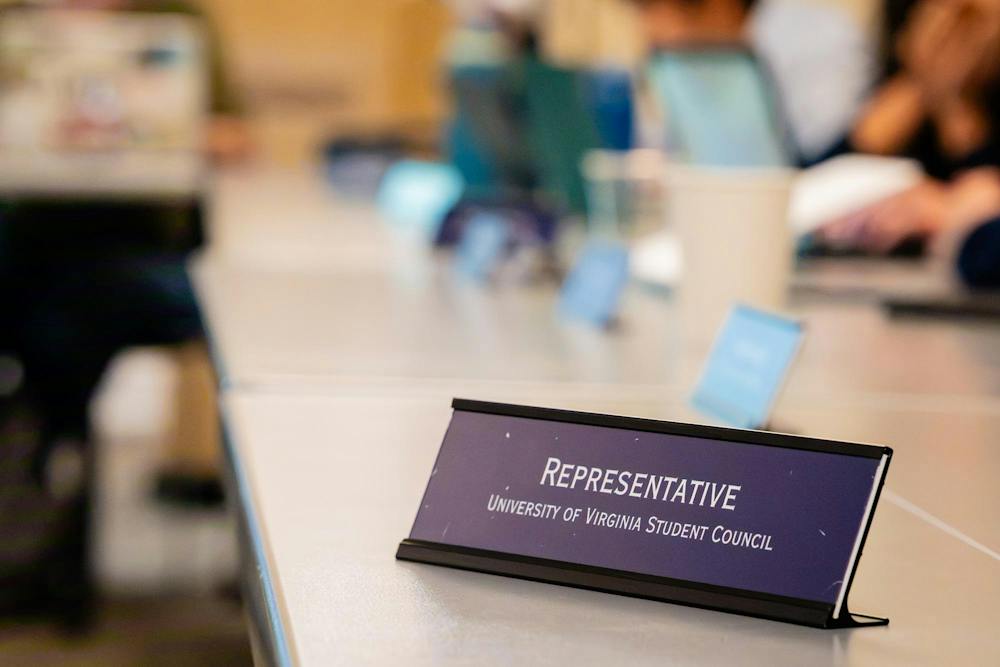
Student self-governance is a term that is almost ubiquitous in conversations about the uniqueness of our University. While the idea of student self-governance is revered by the University, the operational day-to-day activities of these organizations are chronically underappreciated. Many students may not perceive direct interaction with student self-governance organizations on a daily basis. Nonetheless, these organizations shape vital aspects of the student experience on Grounds. From allocating Contracted Independent Organization funding, to providing important services for low-income students, among many other functions, almost every student at our University will encounter student self-governance at some point.
This spring, the Editorial Board endorsed a slate of candidates who demonstrated both a desire and a strategy to tackle some of the major issues facing our University. The Student Council’s fiscal prudence and the Honor Committee’s case processing timeline are both issues that dominated campaign season, emphasized as the key aspects that endorsed candidates would interface with in the coming year. Now, just a month into the semester, new officeholders appear to be delivering results. This speaks to the maturity of student self-governance at our University, and students should applaud it.
Earlier this month, the Student Council met to consider the budget for the 2026-27 fiscal year, a budget considerably restraining expenditures as compared to previous years. This change is a result not of the Student Council brazenly slashing outlays, but rather, of its intentionality about acting as responsible stewards of students’ money. Last year, Student Council’s utilization rate of its budget for funding services and organizations was a subpar 70 percent, leaving $70,000 in unspent funds. This unspent money generally sits in reserve and is not readily available to be reallocated. This year, however, there appears to be a deliberate effort to rectify that problem. The reduction of the budget would allow more funding to be available to CIOs more expeditiously, minimizing idle and undispersed funds within the organization itself. Student Council’s Dream Ahead ticket, which earned the endorsement of this Editorial Board in the spring in part due to its emphasis on financial responsibility and operational independence, is showing a demonstrably strong start to the semester.
Student Council’s proposed budget is a win-win that students should be proud of. A higher proportion of allocated funds will be utilized to provide critical services to students, while CIOs will enjoy easier access to more funding. Many of these CIOs, in turn, will further bolster the idea of student self-governance through their own advocacy and engagement on Grounds, creating a ripple effect of positive student leadership. While the work of Student Council is never complete, it is reassuring to see student leaders making revisions that produce results for students and CIOs while furthering the values of student self-governance.
Equally reassuring is the Honor Committee’s recent move to streamline its post-trial appellate process. Nearly every candidate running for the Honor Committee last election cycle identified the same issue with the current system — the case processing timeline takes forever. This is, in no small part, due to a lengthy appellate timeline that can drag out already-decided cases for weeks or even months, diverting resources and manpower away from new cases. In short, case processing inefficiency has been a lingering challenge that has plagued the Honor Committee for years.
This year, something is finally poised to change. The proposed amendment would clamp down on frivolous appeals by establishing a panel to determine whether the appeal has a legitimate basis before moving forward. This change will not clean out all of the sand in the gears of the Honor Committee’s case processing framework overnight. Nevertheless, it will allow credible appeals to be properly attended to and adjudicated, instead of flooding the docket with disgruntled students who have no substantive reason to appeal outside of mere disagreement with the disposition of their case. Every student at our University who is charged with an Honor violation is of course entitled to due process, but due process does not require the exact same dispute to be adjudicated and re-adjudicated 14 separate times. It is confidence-inspiring that the Honor Committee recognizes this and is taking meaningful strides toward a solution.
The continued vitality of student self-governance depends on student leaders who are mission-driven and committed to making things work when no one else is looking. Cultivating confidence in these student self-governance institutions is paramount to a functioning and cohesive student body. And this cohesion is even more important in times of growth. As the University Board of Elections fails to rise to the expectations and functions of their status as a student self-governed entity, Student Council supplanted this failure by proposing a system of accountability — directly benefitting the ecosystem of student self-governance through engagement as an intersecting student government. Student leaders who hold each other’s respective institutions accountable remain aware of the consequences of a student self-governed system which fails to receive confidence in its efficacy from the student body.
Above all, these policy decisions matter for the future of our University because they demonstrate administrative competence. When student self-governance functions properly and responsibly, it not only benefits students — it sends a signal to both students and faculty alike that our student leaders are capable of meeting the moment. As both students and legislators push for more involvement of students in the decisionmaking of our University, these moves further underscore the point that students are well-suited to take the reins. These are policies directly improving the student experience on Grounds, and wins worth highlighting for the vitality of our student-governed system. Whatever lies ahead, students should be confident that student self-governance is alive and well at our University.
The Cavalier Daily Editorial Board is composed of the Executive Editor, the Editor-in-Chief, the two Opinion Editors, two Senior Associates and an opinion columnist. The board can be reached at eb@cavalierdaily.com.
Read More

YOUNIS: SJP’s criticism is not hysteria — it is a challenge to U.Va.’s standards
By Ayat Younis | 2 days agoAny leader deserves scrutiny for their professional past, regardless of their background and especially if they have ties to brutal military-industrial complexes through the IDF.

ELJAZZAR: Do not be fooled by the Vanderbilt Report
By Farah Eljazzar | 4 days agoA report chaired by a philosopher that aims to invoke objective inquiry is hypocritically holding itself to a lower evidentiary standard than it criticizes.

GARVIE: Fighting the sustainability fight requires an army
By Adeline Garvie | 5 days agoIn order for these students’ sustainability actions to reach a broader sphere of attention, green practices need to be encouraged and attainable, both of which can be achieved with increased advocacy.


