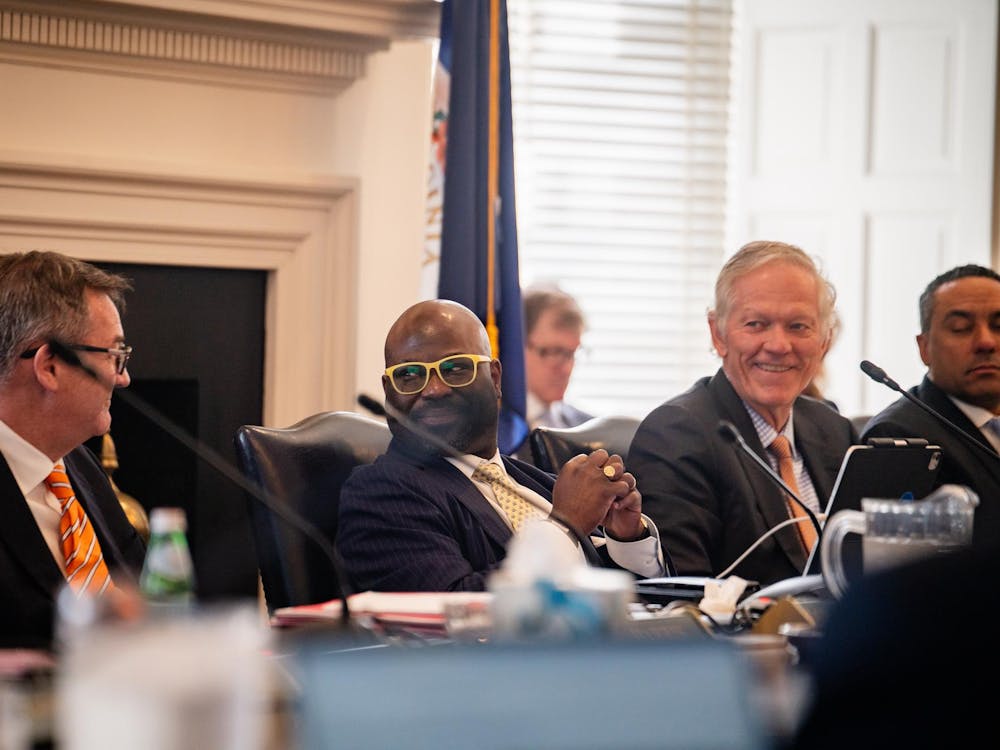
Board of Visitors to close out year as incoming governor prepares new appointments
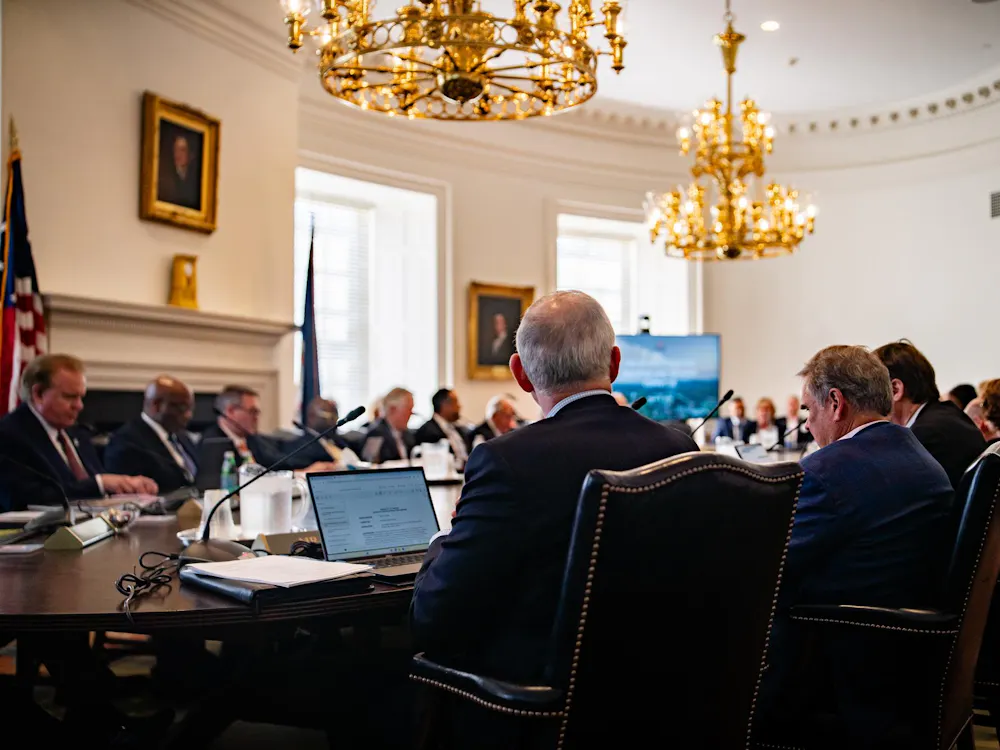
By Brendon Bordwine | December 4, 2025This week’s meetings will be the Board’s final gathering before Gov.-elect Abigail Spanberger takes office in January.
This week’s meetings will be the Board’s final gathering before Gov.-elect Abigail Spanberger takes office in January.
The deans said that naming a president should be paused until the Board can establish the “conditions of trust” necessary for the next president to succeed.
The presidential search committee and the University’s external search firm announced Friday that the search would continue, despite a Faculty Senate resolution passed Nov. 14 which called for a pause.
Assoc. Sociology Prof. Ian Mullins acknowledged that FOIA can be a powerful tool for researchers and journalists, but claimed that some organizations and individuals use it as an intimidation tactic.
After submitting a six-section Freedom of Information Act Request to the University Sept. 18, State Sen. Creigh Deeds, D-Charlottesville, received 284 pages of records Oct. 29, pertaining to former University President Jim Ryan’s resignation this summer.
The outgoing governor claimed that Spanberger’s letter was “riddled with hyperbole and factual errors”
This affirms the authority of Virginia Senate Democrats, who have blocked over 20 of Gov. Glenn Youngkin’s appointments to university governing boards since June.
The Faculty Senate met Friday to pass a resolution which requested that the University pause the ongoing search for the tenth president until all seats on the Board of Visitors are filled.
In the years since the attack and following external reviews of the incident, the University has reshaped its threat assessment infrastructure, expanded emergency alert systems, reorganized student accountability operations and significantly built out mental health services.
In the letter, Spanberger urged the Board to hold off on selecting finalists in the search and not to appoint a president until she has filled five current vacancies.
While both the rejected Compact and the Justice Department agreement faced resistance from the University community and have several similarities, the agreement provides firmer protection for academic freedom.
“The important question, therefore, is whether following the DOJ guidance imposes substantial burdens on U.Va.,” Mahoney wrote. “The answer is clearly no.”
The guidance outlines the key federal antidiscrimination laws which it is based on, as well as examples of unlawful and potentially unlawful practices.
To get a more complete account of what took place, The Cavalier Daily reviewed court transcripts and other documents in addition to speaking to four residents of the house where the alleged incidents took place.
The eight-page letter expressed concern that the agreement is unconstitutional and asked Mahoney and Sheridan to “reconsider” the deal.
University leaders defended their deal with the Justice Department in a new letter sent to Charlottesville’s legislators Monday, arguing that it is a better deal than other universities have made and that it does not threaten the University’s autonomy.
"Our work does go unappreciated. We’re on call 24/7, [during] the holiday, in the middle of the night."
A few senators raised concerns about the potential impact of the agreement on admissions, the search for the next president and the heightened level of scrutiny it would create.
Here is a look at the decisions peer institutions have made, and the status of the University’s decision.
Although the University ultimately chose not to sign an agreement from the Trump administration, Interim University President Paul Mahoney left open the possibility of future collaboration and alternative approaches in his letter to the Education Department.