September Book Club: Challenging books to train the brain
By Matthew Wang | 2 days agoThese three books make for a challenge to even seasoned readers, rebuilding the cognitive strength that may have waned over time off.
These three books make for a challenge to even seasoned readers, rebuilding the cognitive strength that may have waned over time off.
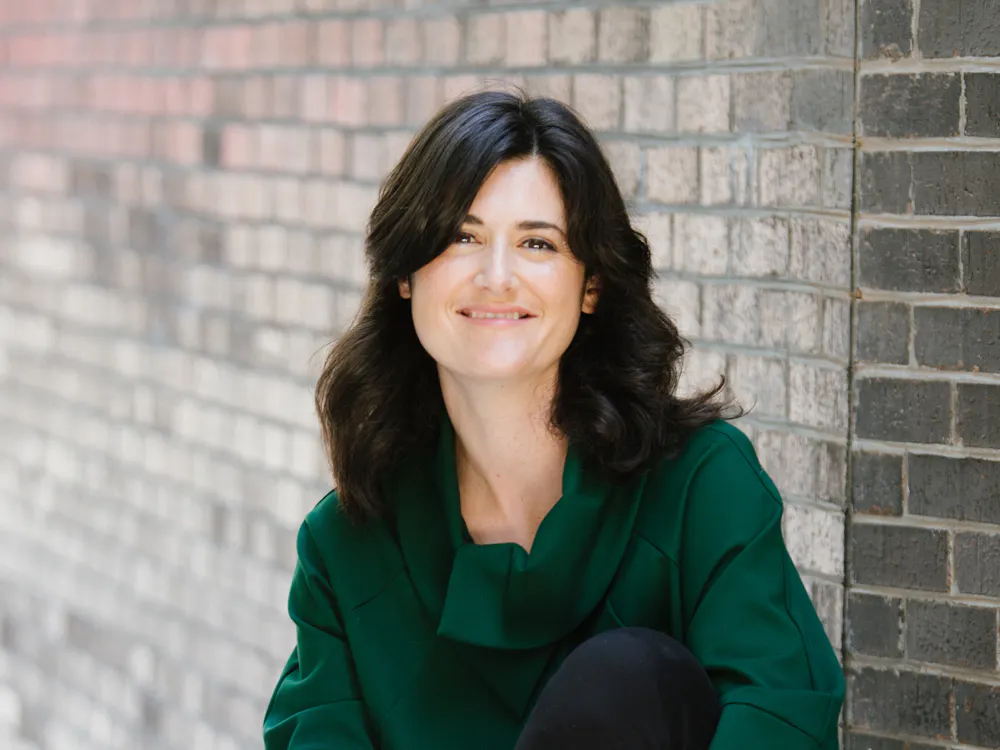
In addition to teaching poetry at the University, Ogden researches literature, and her Sept. 29 release will dive into Poe’s history — examining exactly how he changed lives with his writing.
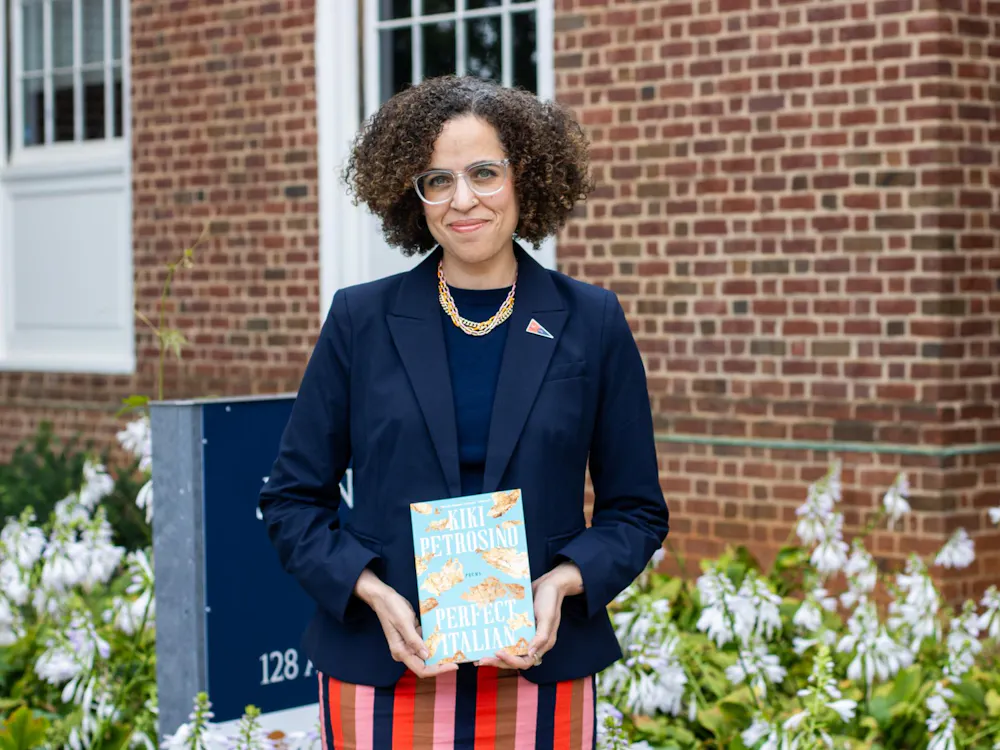
In this work, Petrosino examines her own heritage and identity, using engaging yet deeply personal language, vivid imagery and carefully crafted syntax as ways to express her connection, and lack thereof, to her family’s history.
While time travel is still out of reach for humankind, these books offer their own imaginative spins on the concept, inviting readers to consider what could be possible if they had a little more time before the summer season fades into fall.
While darker themes set these beach reads apart from the typical rom-coms that usually come to mind, the freedom of summer may be just what is needed to dig into a thought-provoking story.
For any reader feeling restless or looking for something strange, here are three books with the potential to make readers laugh, wince or simply feel grateful that they are spending summer differently than these protagonists.
Here are three novels by authors from three different countries that offer vibrant reflections on life through vastly different narratives.
The group produced a spectacle that roused audiences with passionate sword fights and lamenting monologues
This list features three popular stories that can relate to April’s spot in its spring family — tales with prominent middle-child characters who, much like the month of April, tend to be less of a focal point in their respective families.
Ginkgo Bookshop, a not-for-profit student-run used bookstore, opened Jan. 23 for students and community members to shop, relax and spend time surrounded by literature.
As 2026 begins and unrealistic reading goals are set, dive into these unorthodox reads and explore some surreal fictional worlds
While Grounds is undeniable in its beauty at this time of year, there is no better source for inspiration than a New England boarding school.
The Rare Book School is open to students, faculty and local community members alike, with classes and exhibits that work to highlight their mission of understanding our cultural history through physical text.
This list blends history, fantasy, dystopian and classic slashers all into the overarching genre of horror, allowing for anyone to find a subgenre they like.
These three books range from informational to inventive to introspective and give readers an assortment of entry points for learning and thinking about AI.
The independent bookstore was founded by Class of 2015 alumnus Philip Lorish, who hopes to support what he calls the “practice of reading” in the Charlottesville community.
Though Pride Month will soon be over, it is never too late to celebrate the Queer community and all who are a part of it.
Each of these books reflects how mother figures can mold the narrative of literature, whether that be shaping their children’s identities or teaching them valuable lessons.
Elizabeth Mirabal, third-year Spanish Ph.D student at the University, wrote “Herbarium” as a 205 page collection of free verse poems about the flora of Cuba. Two years ago, “Herbarium” was translated by a group of six undergraduate students in Professor Nieves Garcia Prados’ class, SPAN 4040, “Translation from Spanish to English.”
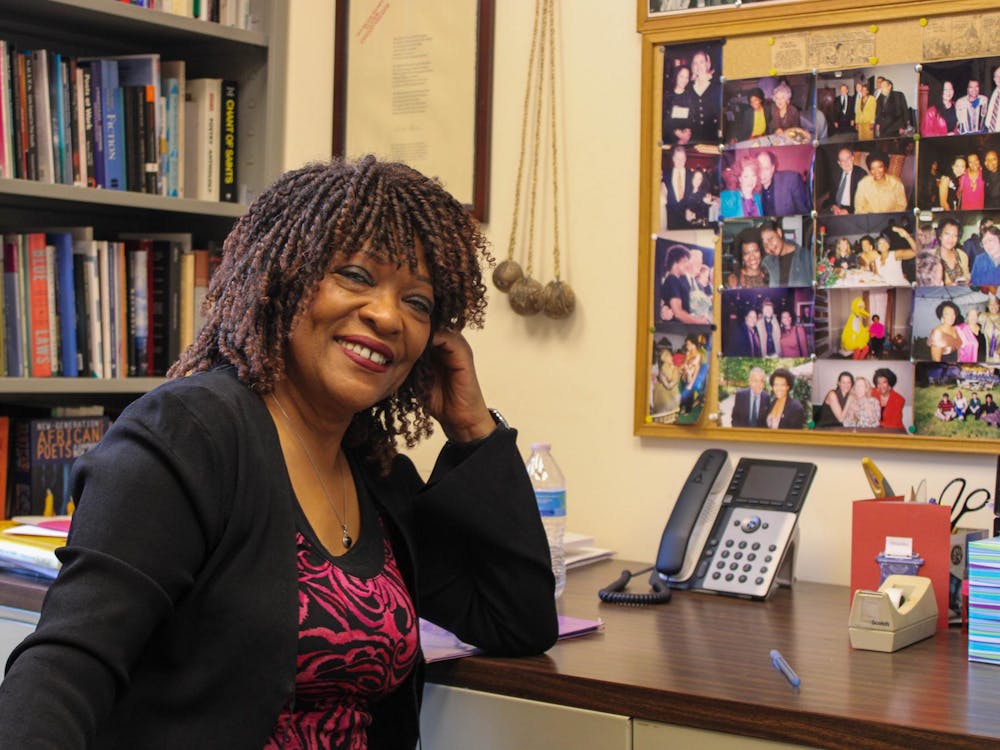
Dove found herself interrogating Virginia’s “conflicted South” in her poetry as she settled into her position at the University, but not necessarily in the ways readers anticipated.