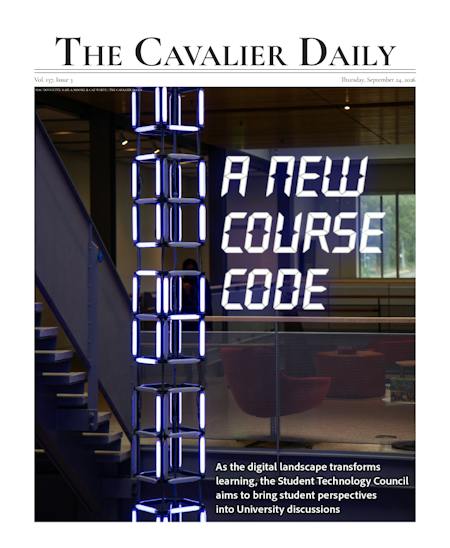
Student Technology Council aims to represent students on technological issues
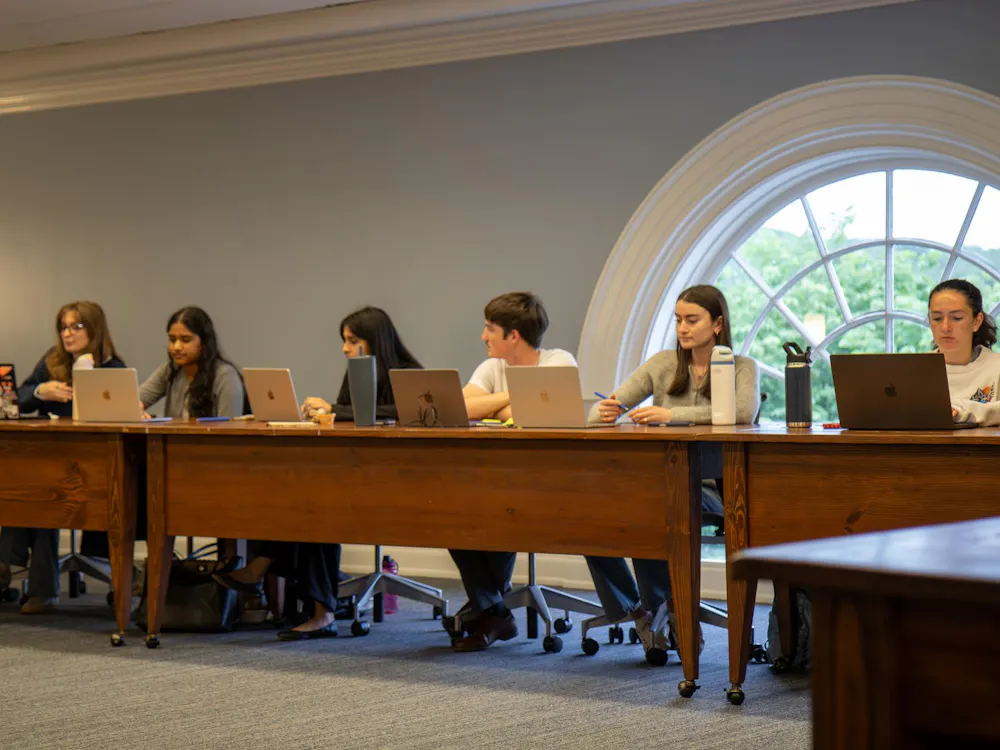
By Solomon Ross-Milligan | YesterdaySTC is currently a 20-member council and includes students from across schools and organizations within the University.
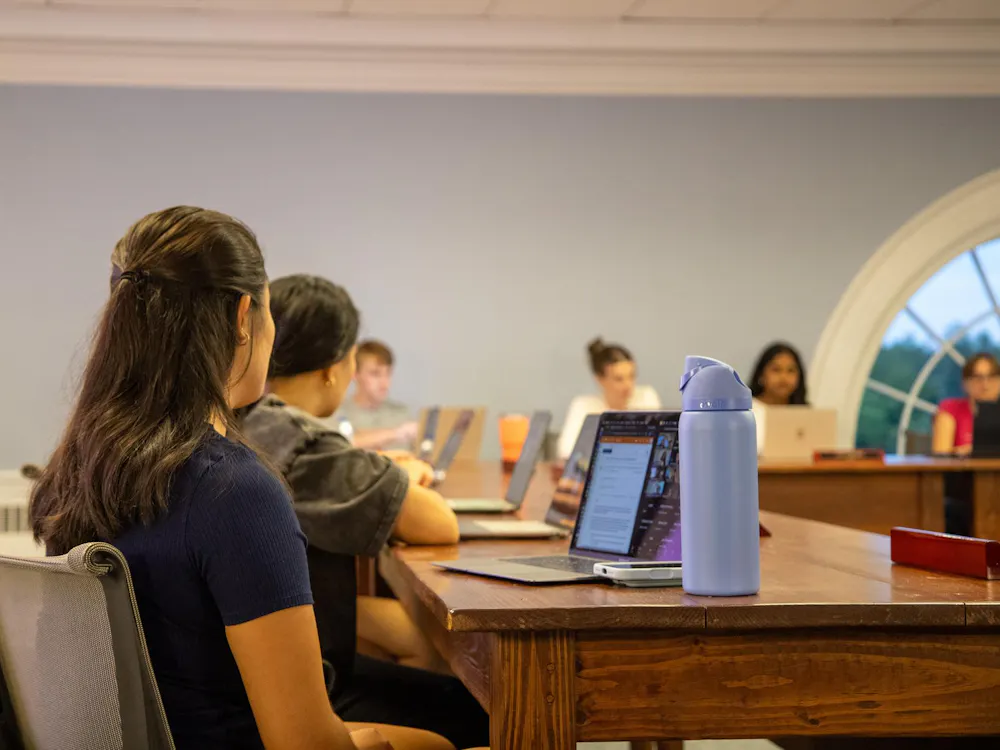
STC is currently a 20-member council and includes students from across schools and organizations within the University.
The proposed change, if voted into effect, would alter the way students are able to appeal either their hearing or sanctioning panel decisions, should they feel there has been a violation of a granted right or there is new evidence to introduce to the case.
The Commission will craft a report on the University Board of Elections’ current structure and governance practices, putting forth proposals for corrective action based on its findings.
The proposed change would allow the Committee to better determine whether a sanctioned student's appeal is legitimate and would establish new qualifications that an appeal would need to meet to be allowed to continue through the appeal process.
Consideration of the bill was postponed until the next general body meeting.
According to Freed, the Committee selected “Honor Beyond” as this year's theme to help convey to the University community that the Committee extends beyond a punitive organization that sanctions students for honor violations.
The University Board of Elections released the first draft of the Board’s Rules and Regulations of the 2026-27 academic year Sept. 1, and a commentary period was held for University students to provide feedback on the draft until Tuesday.
Representatives ultimately adopted an amendment to the proposed budget, but tabled consideration of the legislation to this Tuesday’s meeting.
The proposal includes the addition of a governing body that would oversee the appeals process and decide if a student's appeal is deemed legitimate.
The Representative Body voted to reappoint J.D./PhD candidate Benvin Lozada for his third term as rules and ethics chair.
Cabinet confirmations are typically finalized prior to the summer session. However, the traditional process was delayed due to the postponement of the inauguration of Michael Mitchell, Student Council president and rising fourth-year Commerce student, last spring.
Here is a closer look at student self-governance organizations at the University, beginning with the organization that administers elections for several of the governing bodies.
Following the executive reports, the subcommittee heads presented their summaries to the Committee and plans for upcoming initiatives in the Fall 2026 semester.
The Honor Committee released an email to the University community May 21 detailing each Honor investigation and sanction between Dec. 17 and May 17, in which cheating remained the most frequently reported Honor Code violation.
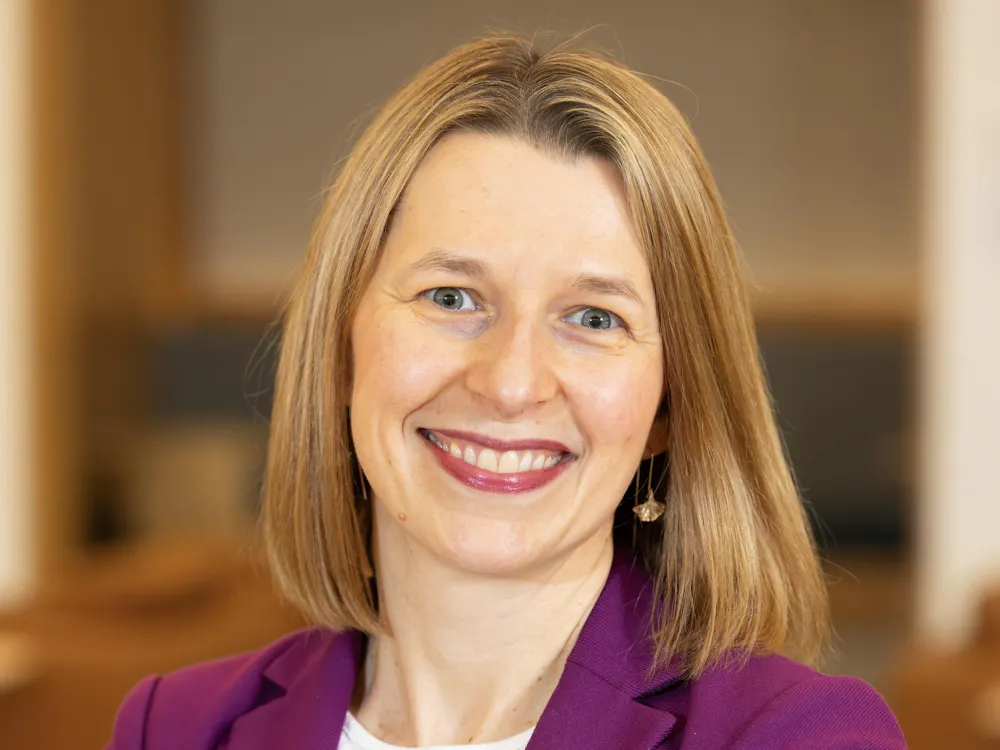
In her role as faculty representative to the Board, Seidman is a non-voting member who provides the faculty perspective to Board members during open and closed sessions of meetings.
As of May 18, there are 24 pending cases, which the UJC will process in the fall because, according to the report, the UJC only operates during the regular undergraduate academic session.
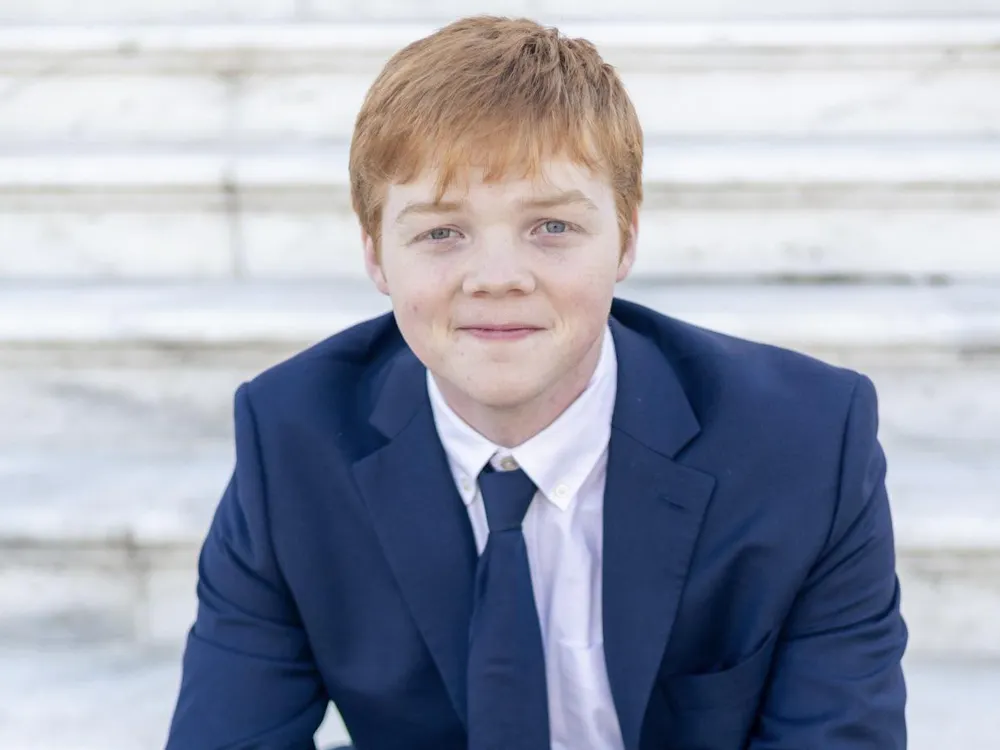
Sleadd said he hopes to convey the student experience to the Board, generally expand student participation in University governance and rebuild the connection between the student body and the Board.
Student leaders, reflecting on the meaning of self-governance at the University, spoke on their reactions to federal scrutiny, interactions with University administrators and engagement with a capable and inspiring student body.
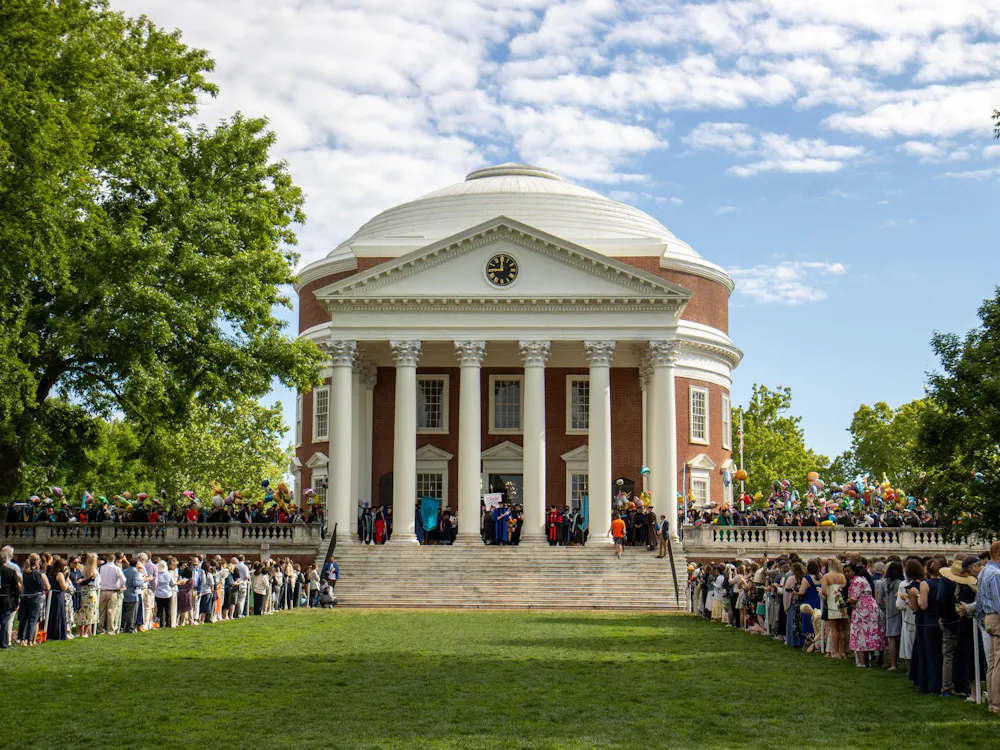
This year, Valedictory Exercises will be held Friday at 3 p.m. at John Paul Jones Arena. As the official kickoff to graduation weekend, the ceremony will be open to all students and their families without ticketing restrictions.
Vega leaves with a slew of accomplishments — such as keeping a diversity, equity and inclusion committee alive to hold events for underrepresented students and planning Valedictory Exercises — and is committed to serve as a Trustee for the next four years.