U.Va. to continue additional COVID-19 restrictions for two more weeks
By Zach Rosenthal | October 6, 2020The University remains concerned that the number of positive COVID-19 cases are “still a little high."
The University remains concerned that the number of positive COVID-19 cases are “still a little high."
Currently, the University is offering an in-person component — completely in-person, or a hybrid or remote option — in approximately 30 percent of its classes overall.
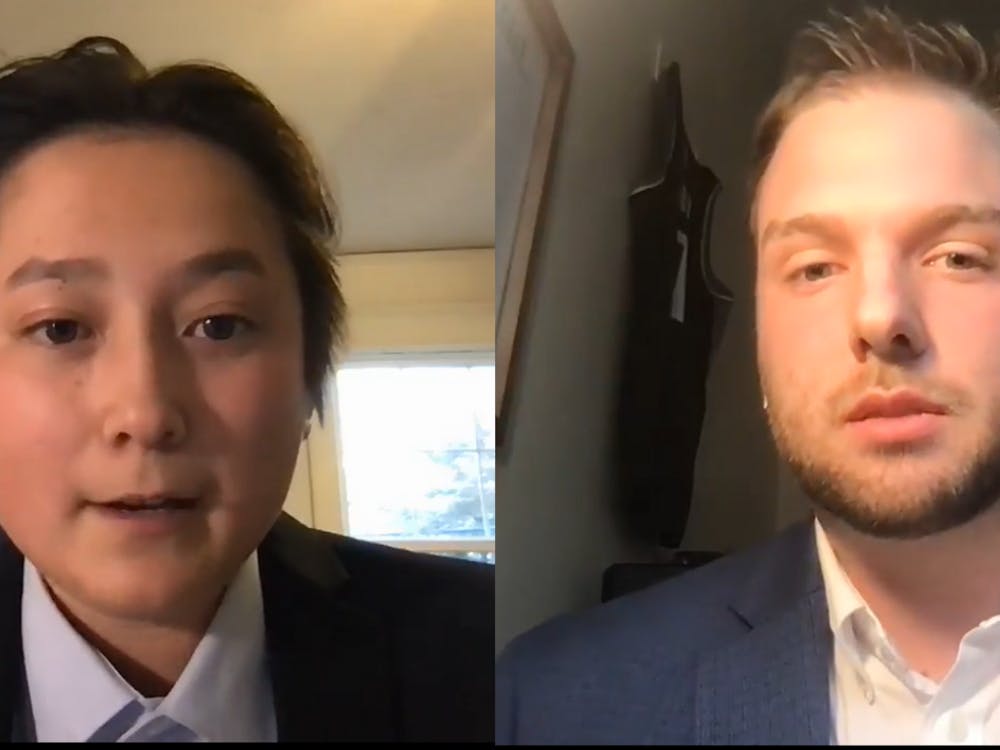
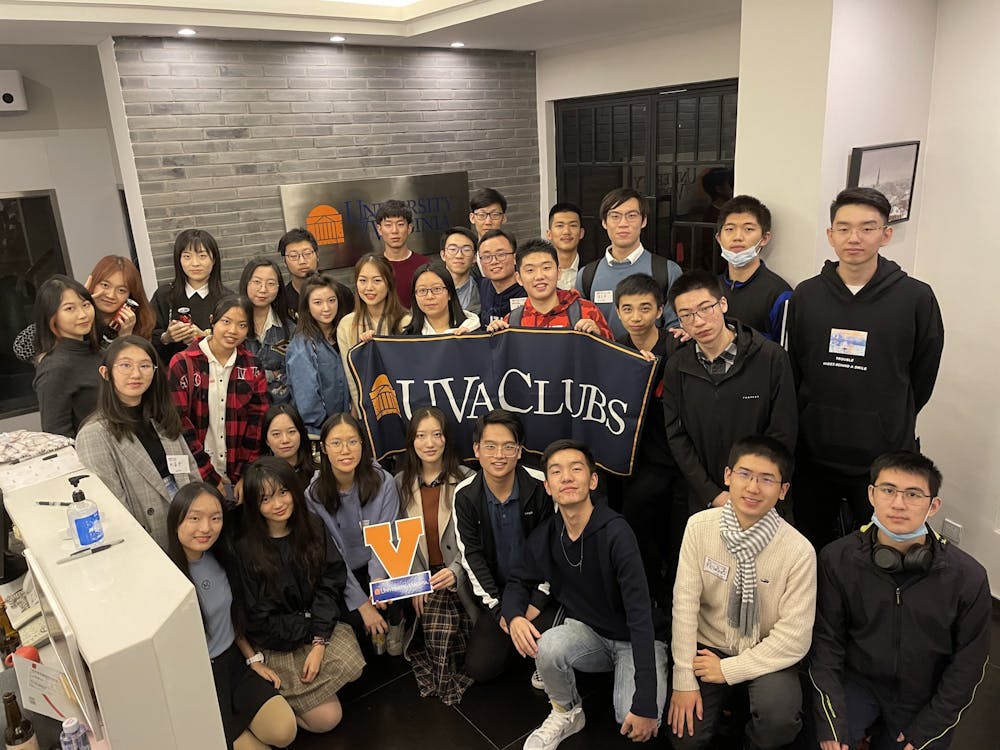
Since the pandemic began, hate crimes against Asians in the U.S. have increased and stricter regulations have been enforced against international students, particularly those from China.
With just 27 percent of classes offering an in-person component this semester, online exams pose a challenge for students and faculty.
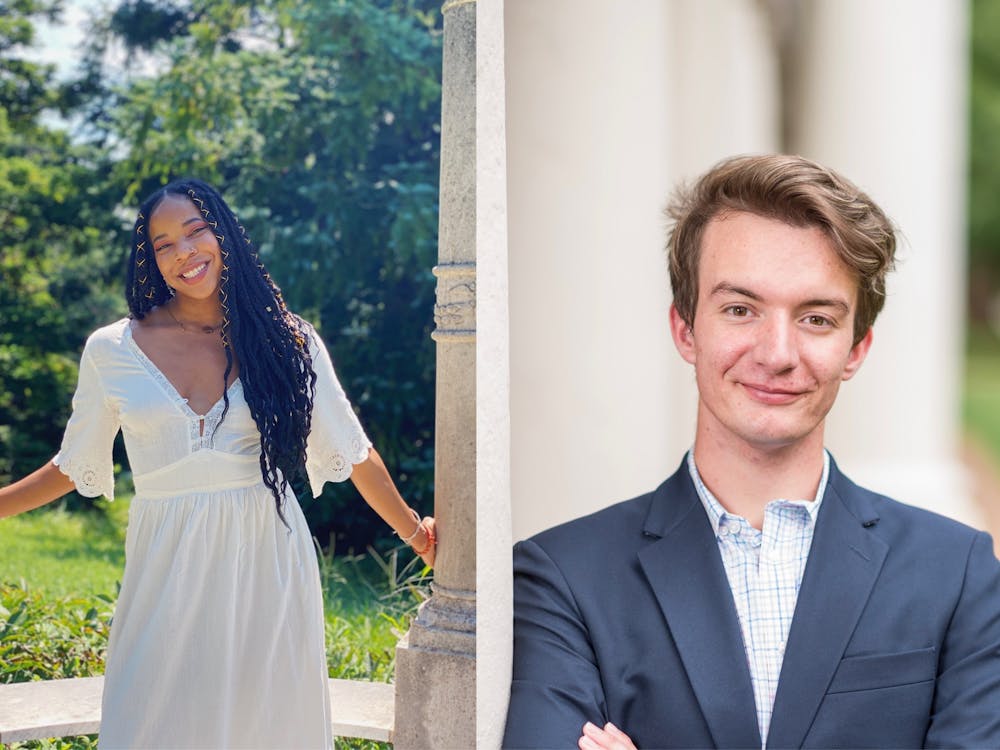
With the Oct. 13 voter registration deadline approaching, Charlottesville and student groups are working to ensure that every student has the ability to vote this November.
Due to lack of in-person publicity and recruitment, club sports have struggled to gain as many new students as they typically would at the beginning of a school year.
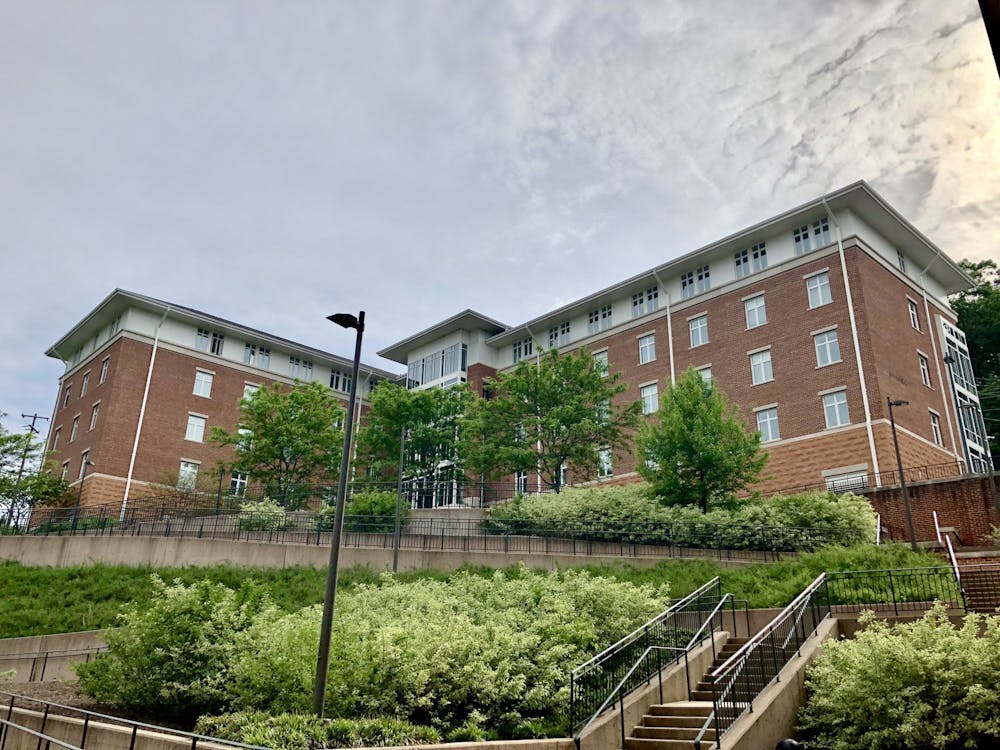
According to University Provost Liz Magill’s email to Hancock residents, prevalence testing identified 7 of the 16 cases. 115 students live in the building.
U.Va. has received $12.6 million for COVID-related financial needs from the U.S. Department of Education’s CARES Act — the Coronavirus Aid, Relief, and Economic Security Act. Per the CARES Act, at least half of the funds must be provided as Emergency Financial Aid Grants for students.
For schools to reopen responsibly in the spring, representatives of the VSPN said that at the very least, large, public universities should have the same resources that smaller liberal arts schools do now, including twice weekly testing, mandatory social distancing and strictly enforced policies around residence hall guests.
Though some student organizations and community members are dissatisfied with the University's decision to hold in-person classes, some first-years are excited to experience college life.
Eight percent of the University’s roughly 1,500 student quarantine beds are occupied. This number includes students in post-travel quarantine.
Still, packed dining halls and bustling Corner restaurants over the move-in weekend leave some upperclassmen and community members fearful of the skyrocketing COVID-19 numbers that forced JMU and UNC back online.
According to Physics Prof. Craig Dukes, his main reason for following up on the Chegg posts is to preserve equity among his students and eliminate unfair advantages.
The dashboards from Virginia Tech, William and Mary, James Madison University, George Mason University and Virginia Commonwealth university all report the percentage of positive test results in their community. The University of Virginia does not.
In an announcement sent to students July 16 about U.Va’s COVID-19 public health plans, the University stated that students would be able to receive one asymptomatic test every 60 days. The LetsGetChecked pre-arrival testing currently counts as one of the asymptomatic tests provided to students.
The COVID-19 and safety-related demands include financial compensation and hazard pay, adequate personal protective equipment and risk reduction, revised and clearly articulated policing and COVID-19 guidelines, provisions for food security and housing stability and revised financial aid policies for resident staff.
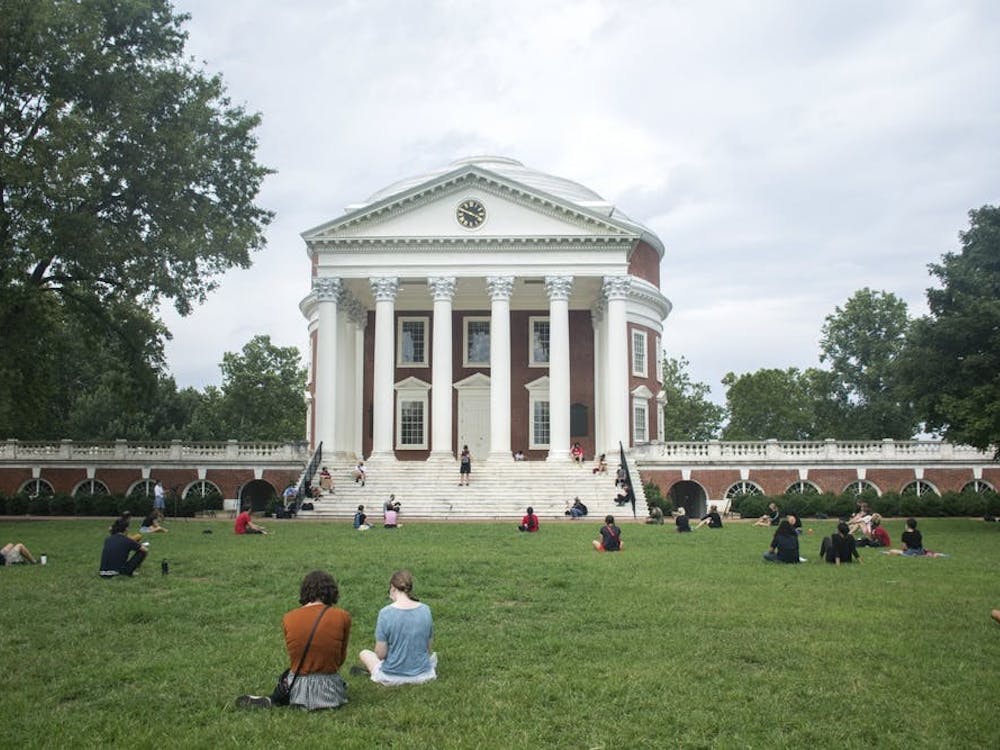
Before lying silently still for the 15-minute “die-in,” participants sat in a large, socially-distanced circle on the Lawn to write letters that demonstration organizers plan to give to University administration.
The late-night Housing and Residence Life email now leaves residents with two options — submit their preference for a new housing assignment or forfeit their on-Grounds housing.
University leadership cited several reasons for their decision in the email, including improving conditions locally and in Virginia, knowledge gained from other universities who have opened, and encouraging behavior from student athletes, graduate students, and other individuals in Charlottesville over the summer.
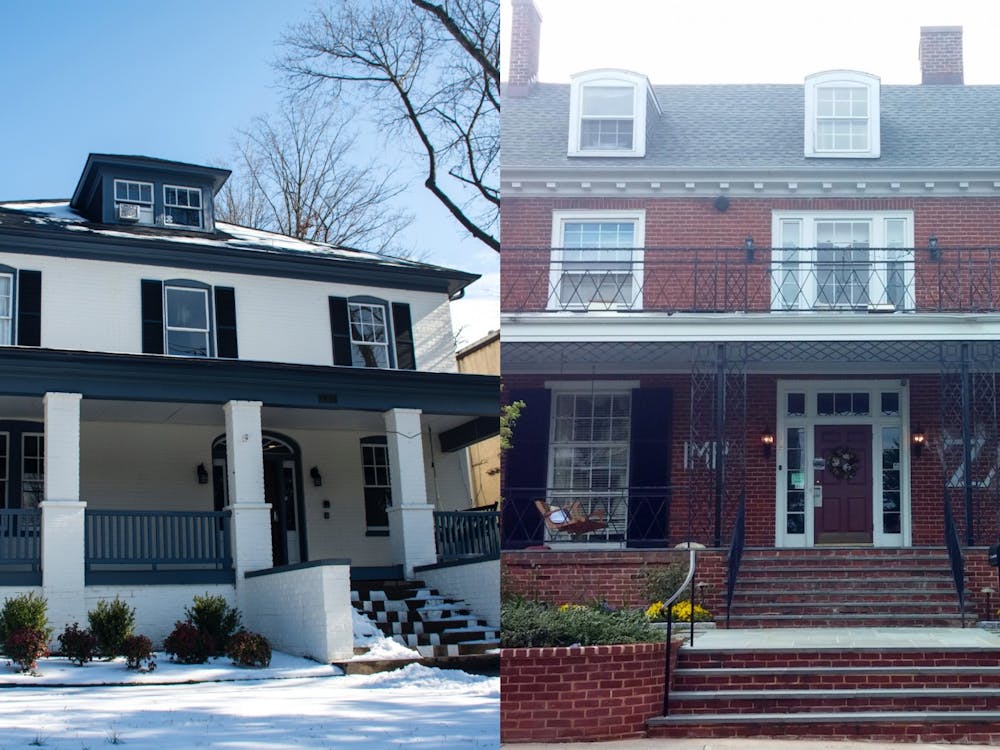
The statement included a warning that offending chapters could face a Fraternal Organization Agreement suspension for the academic year.